02/17/2026
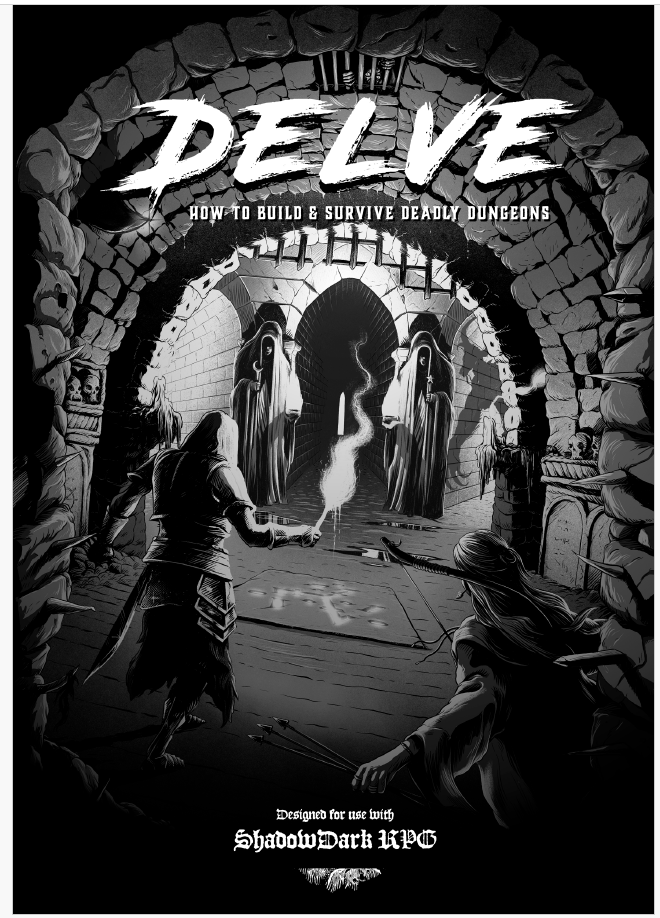
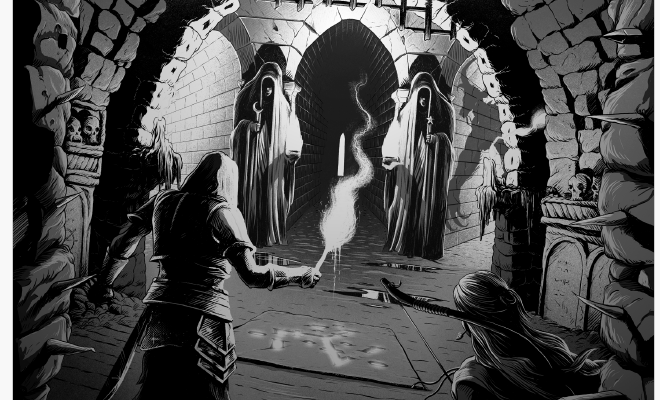
DELVE is a big, ambitious supplement for Shadowdark RPG, and while most of the spotlight has (rightfully) gone to the dungeon-building tools and adventures, Chapter 2: Dungeon Delvers adds seven new classes for players to sink their teeth into.
These classes lean heavily into DELVE’s themes of occult dungeon-crawling, forbidden knowledge, and “we probably shouldn’t be here, but we’re going anyway.” Some of them feel like natural extensions of Shadowdark’s gritty design philosophy, while others feel like they wandered in from a different kind of fantasy game.
Still, if your group likes weird dungeon specialists and morally questionable adventurers, DELVE delivers.
The Golemancer Class
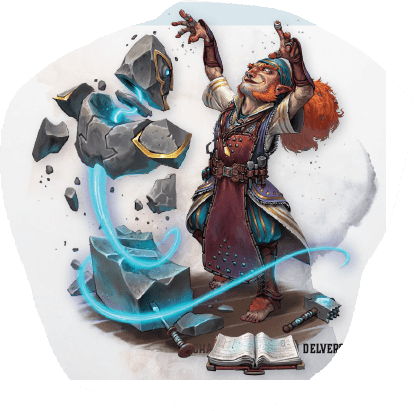
“Golemancers employ their arcane knowledge in the pursuit of their trusted golem at their side, a golemancer is never alone.”
The Golemancer is DELVE’s “pet class,” built around having a magically infused construct companion. Unlike many games where companions are fragile liabilities, the golem here is mechanically sturdy and scales with level.
The balancing lever is simple and effective: the golem shares your turn, but it only attacks if you spend your action commanding it. That means the golem is powerful, but you’re constantly trading off your own actions to make it work.
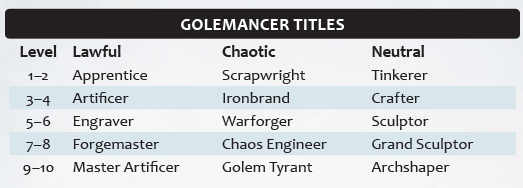
Starting Talents
- Crafter
- You are a skilled crafter and have the tools needed to do your work (they take up no gear slots).
- Golemancy
- You gain a golem companion that scales with your level.
- It shares your turn, but it only attacks or acts if you spend your action commanding it.
- You can repair it with time and a spellcasting check.
- Golem Infusions
- Your golem begins with a random infusion.
- When you gain talents later, you can choose to roll for new infusions instead.
- Spellcasting
- You cast wizard spells and begin with one tier 1 wizard spell.
Best For
Players who want a summoner-style class without the complexity of a full minion army.
Not For
Players who dislike companion rules or don’t want to share the spotlight with a pet.
Overall Thoughts
One of the strongest and most “complete” classes in the book. It feels like a natural dungeon fantasy archetype and doesn’t break Shadowdark’s simplicity.
The Keeper Class
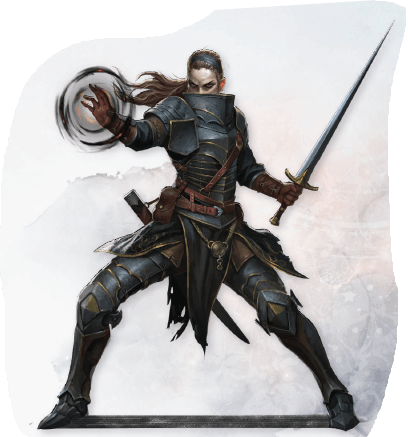
“Keepers are dedicated to protecting secrets. Some guard lost relics, while others seek out forbidden lore to ensure it doesn’t fall into the wrong hands. Many keepers serve the god Ord.”
Mechanically and conceptually, though, the Keeper feels like DELVE’s first major example of “this might be a 5E subclass wearing a Shadowdark coat.” It’s a cool idea, but it feels specialized in a way Shadowdark’s core classes usually avoid.
DELVE even includes a Keeper creature entry that emphasizes their silence and secrecy magic.
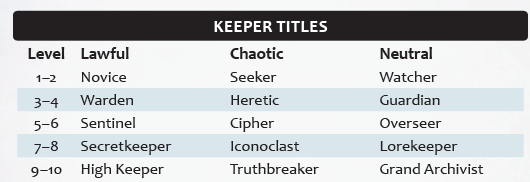
Starting Talents
(DELVE presents the Keeper as a martial divine class that combines stealth, silence, and spellcasting.)
- Divine Warrior Theme
- Keepers combine martial prowess with divine magic, and are described as masters of deception and stealth.
- Censure (Signature Spell)
- The Keeper’s defining ability is silencing enemies through divine rebuke.
Best For
Players who want a cleric that feels like a spy, inquisitor, or secret police agent of the gods.
Not For
Groups who prefer Shadowdark’s simpler, broader archetypes.
Overall Thoughts
Cool concept, but it reinforces the feeling that DELVE’s divine classes were built with a 5E mindset first.
The Nightcaller Class
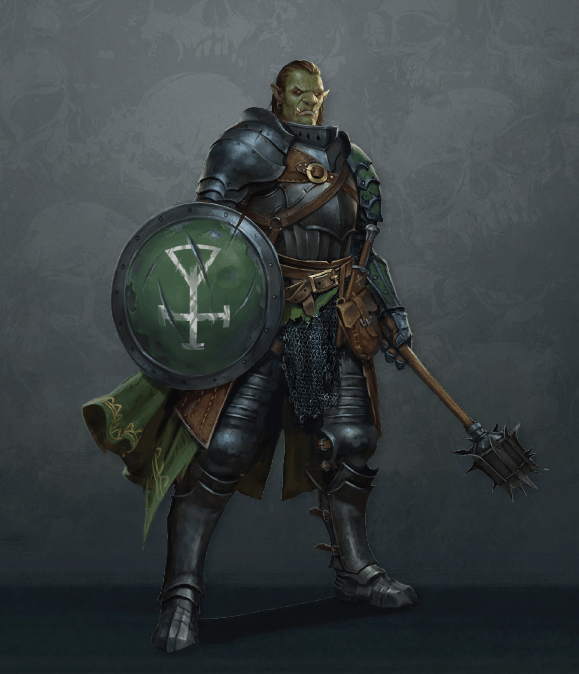
“Nightcallers are devout clerics who see darkness as a source of strength, overflowing with power ready to be wielded by those who are brave enough to seek it.”
Nightcallers are DELVE’s “dark cleric” archetype. They treat the night as holy ground and darkness as a weapon. It’s a solid grim fantasy concept, and Shadowdark is absolutely a game where darkness should feel like power.
But the Nightcaller is also where the “this is a subclass concept” critique gets loud. It feels like a cleric domain turned into a class, which isn’t inherently bad—it’s just very familiar if you’ve played 5E.
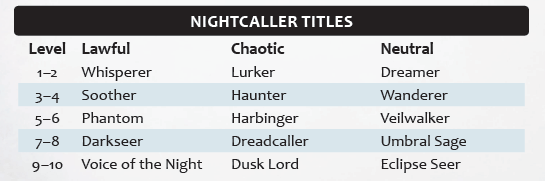
Starting Talents
- Darkmire (Signature Spell)
- Nightcallers use darkness as a weapon and battlefield control tool.
- Darkness-Friendly Casting
- The class strongly emphasizes casting and thriving in total darkness.
Best For
Players who want a divine caster with strong grimdark flavor.
Not For
Anyone tired of “cleric but edgy” as a fantasy archetype.
Overall Thoughts
Playable and flavorful, but hard to shake the feeling that this is a 5E concept translated into Shadowdark.
The Relic Hunter Class
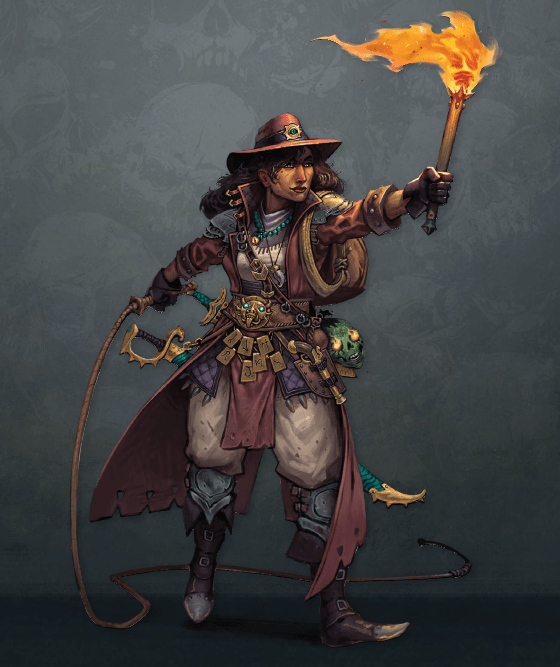
“Relic hunters are intrepid adventurers who adapt quickly to any challenge. They collect magic charms to aid them as they delve into new, dangerous dungeons.”
If Shadowdark had a mascot class for “this is why we crawl into dungeons,” it might be the Relic Hunter.
Relic Hunters are professional adventurers. They’re treasure seekers, trap breakers, and artifact scavengers. They’re built around the simple idea that loot is the point, and Shadowdark’s deadly dungeon engine supports that perfectly.
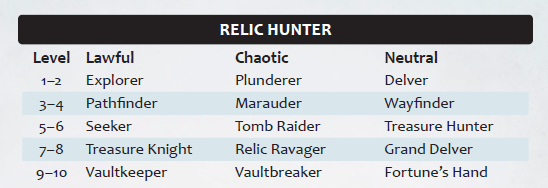
Starting Talents
- Magic Charms
- You gain a random charm that allows you to cast spells using Intelligence.
- If you fail a spellcasting check, the charm can’t be used again until you rest.
- On a natural 1, you gain disadvantage on all checks for 10 rounds.
- When gaining talents later, you can choose to roll for more charms instead.
- Relic Hunter
- You gain advantage on checks to disable, find, identify, and use traps, valuables, and magic items (including charms).
- Fail Forward
- If you miss an attack, you gain advantage on your next attack against that target for 1 round.
Best For
Players who want to be the “dungeon expert” and shine in exploration play.
Not For
Players who want full spellcasting progression or heavy supernatural powers.
Overall Thoughts
This is arguably one of the most overloaded classes in the lineup. With full weapon access, access to magic via a spell or charm, and the Relic Hunter talent essentially lifting the Thief’s signature niche, it starts to blur into a “best of the basics” package. In practice, it can step on the toes of Fighters and Thieves especially hard, while also dipping into the Magician’s space just enough to feel unfair.
The end result is a class that encourages a lone-wolf playstyle and risks becoming the default spotlight-holder at the table—strong enough that it doesn’t really need the rest of the party in the way Shadowdark normally expects.
The Shadesworn Class
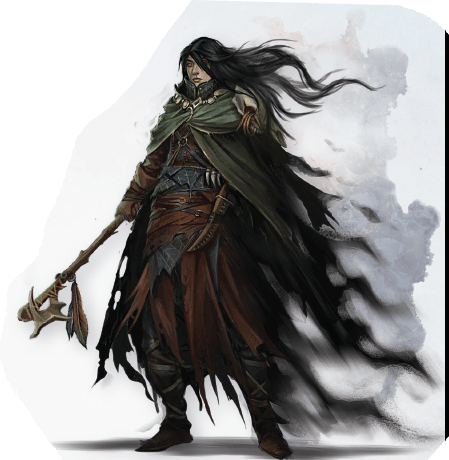
“The shadesworn are priests who draw power from the border realm between light and darkness. They can shape shadows into physical objects and cast shadowy versions of spells they’ve seen.”
Shadesworn are priests of the twilight border between light and darkness. They can shape shadows into physical objects and even mimic spells they’ve witnessed.
This class leans hard into occult dungeon fantasy, and unlike the Keeper/Nightcaller, it feels weird enough to stand on its own.
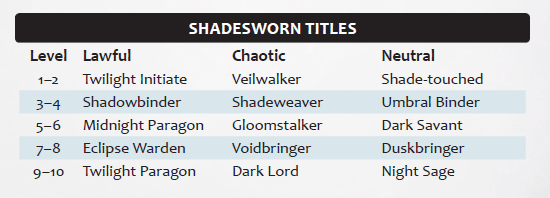
Starting Talents
- Shadow Caster
- 1/day you can cast a spell you have seen cast in the last minute, as long as it’s a tier you can cast.
- Shadow Token
- You possess a token of solid shadow that can take the form of a trinket, weapon, or shield.
- You can change its form after a rest.
- Spellcasting
- You cast shadesworn spells using Wisdom.
- You start with two tier 1 spells.
- Failed spells lock until rest; natural 1 triggers Dark Mishaps.
Best For
Players who want a shadow wizard with a creepy priest flavor.
Not For
Groups that want to keep magic rare and clean.
Overall Thoughts
The Shadesworn feels less like a class built for Shadowdark and more like a 5E cleric subclass promoted to full status without adjusting for the system’s tighter design. Its identity leans heavily on spell-driven abilities and divine-flavored features that assume a higher-powered baseline, which clashes with Shadowdark’s stripped-down, risk-forward ethos. Instead of carving out a unique niche in the dungeon ecology, it reads like a port—mechanically serviceable, but thematically and structurally out of step with the game’s lean, scarcity-driven core.
The Shadowdancer Class
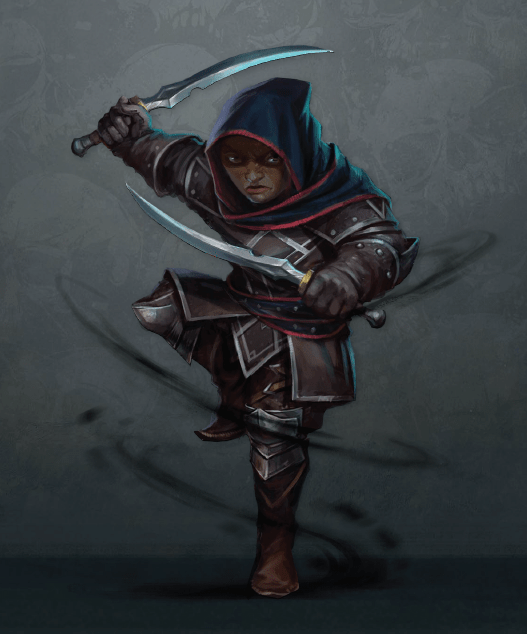
“Shadowdancers are masters of infiltration and subterfuge. These rogues can jump from shadow to shadow, and can even unleash their own shadow to scout ahead or act as a decoy.”
Shadowdancers are stealthy infiltrators who can create a duplicate of themselves. The NPC entry describes them as ideal spies or assassins, and honestly, that’s exactly what they are.
This class is pure cinematic dungeon rogue energy.
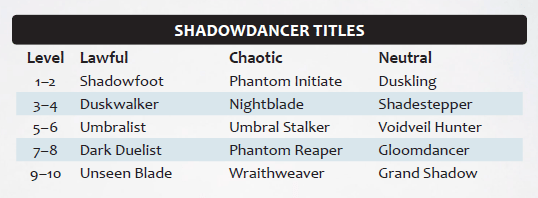
Starting Talents
- Blade Dance
- You deal damage to every enemy within close range, making you lethal in tight spaces.
- Shadow Double
- 1/day you create a duplicate with AC 10 and HP 1.
- It acts on your turn, can talk and use tools, but can’t attack unless you command it.
- You can swap places with it once per round.
Best For
Players who want stealth tricks, infiltration play, and tactical movement.
Not For
Tables that prefer grounded dungeon survival without supernatural ninja tricks.
Overall Thoughts
The Shadowdancer is essentially a Thief tuned for solo play, and that’s a problem in a game where survival is built around teamwork and shared risk. Its toolkit actively encourages slipping away from the group, scouting alone, and operating in isolation—exactly the kind of behavior that splits the party and drags the table into constant side-scenes. Instead of reinforcing Shadowdark’s tense, cooperative dungeon crawl loop, it incentivizes one player to disengage from the party dynamic, which can quickly become disruptive both mechanically and socially.
The Slimebender Class
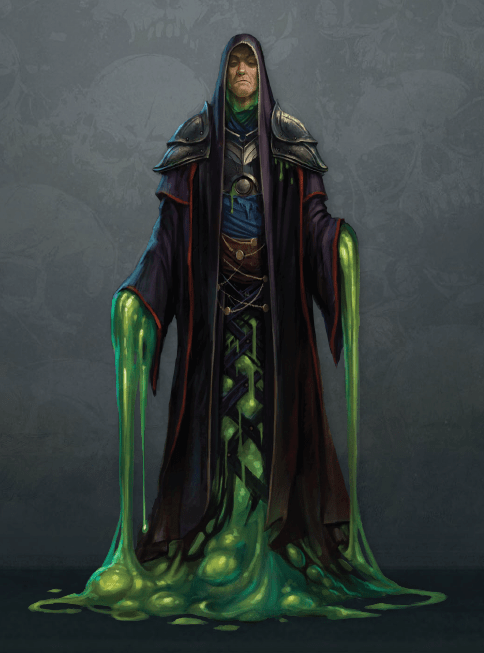
“Slimebenders are summoners of primordial pseudopods, cultists of the Elder Ooze cloaked in pungent slime, or shifting mystics who wield amoebic magic to dissolve and transform the physical.”
Slimebender is the “weird kid” class of DELVE—and I mean that affectionately.
They are summoners and cultists of primordial ooze, wielding slime magic and creating slimeling minions. They’re grotesque, comedic, body-horror flavored, and undeniably memorable.
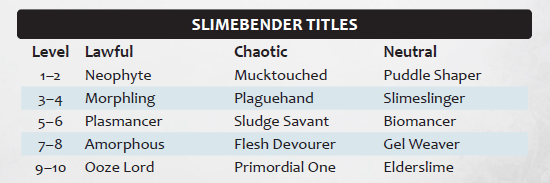
Starting Talents
- Dissolution
- 1/day you become a puddle of ooze for 1 hour.
- You drop gear but keep stats/HP.
- You can climb and gain advantage on checks to sneak, hide, and escape restraints.
- Slimeslinger
- You have advantage on checks to craft Slime Sling Bullets from slimeling remains (1 hour, DC 9 DEX, creates 3 bullets).
- Excretion
- 1/day, when you are cut or chopped, you can create a Slimeling.
- It stays until rest or death.
- It shares your turn, but only attacks if you spend your action controlling it.
Best For
Players who love gross fantasy, summoner play, and bizarre character concepts.
Not For
Serious grimdark campaigns that don’t want comedy-horror bleed.
Overall Thoughts
The Slimebender oozes flavor, but mechanically it feels undercooked. Creating a slimeling only when you’re hurt makes your signature feature reactive and unreliable, and the payoff—turning its death into sling ammo—is more cute than impactful. Even the ooze transformation comes with a steep cost, forcing you to drop all your equipment in a game where gear is survival. It’s a class you play for the vibe and weird-factor, not for effectiveness; compared to other options in DELVE, it struggles to pull its weight at the table.
Final Thoughts on DELVE’s Classes
DELVE’s classes are creative, playable, and dripping with flavor. At their best—particularly with standouts like the Golemancer and Relic Hunter—they slot neatly into Shadowdark’s brutal dungeon-crawl engine and reinforce the game’s core loop of risk, resource pressure, and hard choices.
But the cracks start to show when the design drifts into “subclass-as-a-class” territory. Several of the cleric-adjacent options in particular feel less like archetypes forged from Shadowdark’s minimalist survival ethos and more like 5E concepts transplanted into a leaner system. Instead of expanding the dungeon experience, they sometimes read like retrofitted spell packages—functional, but not always aligned with the tight, desperate simplicity that makes Shadowdark sing.
And there’s another issue lurking underneath it all:
Why do players always want to play the bad guys?
So many of these classes encourage “cool darkness” and morally gray archetypes. That can absolutely work, but it does mean the GM has to do extra lifting to keep the party aligned and cooperative instead of turning the campaign into a collection of edgy solo acts.
Still, if your group likes strange dungeon specialists and dark fantasy weirdness, DELVE offers a strong lineup—just be ready to curate which classes best match your table’s tone.
Keep on gaming!
 tabletop-thoughts.com