02/10/2026
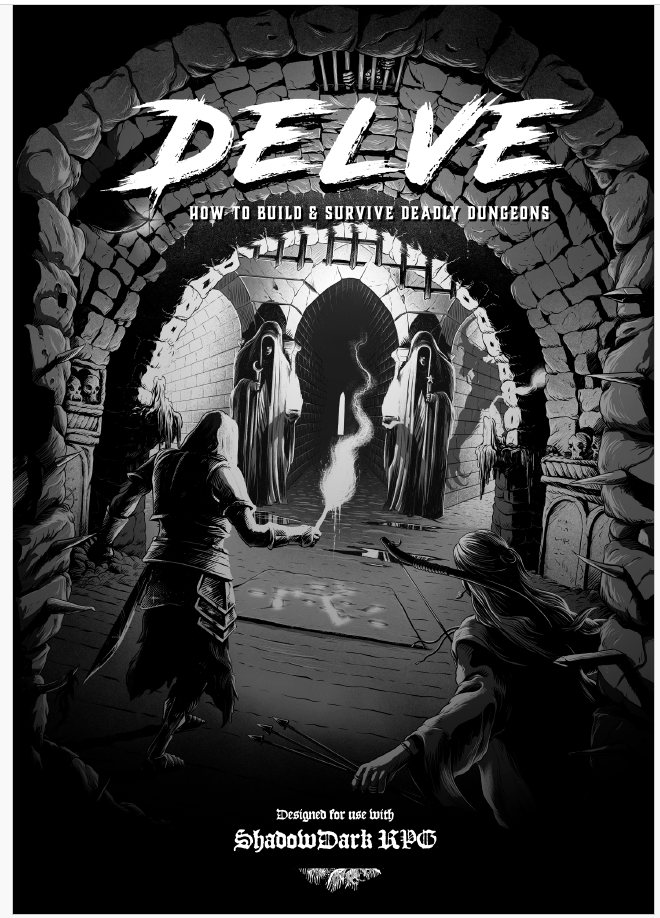
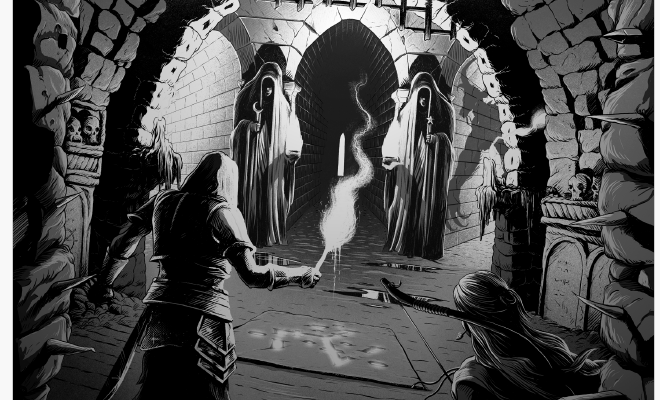
DELVE is a massive third-party supplement for Shadowdark RPG, clocking in at over 300 pages and positioning itself as both a dungeon-building toolbox and a content expansion. Its primary strengths lie in dungeon generation advice, procedural tools, and a large suite of ready-to-run dungeons spanning levels 1–10. These sections are clearly the heart of the book and align closely with Shadowdark’s old-school design philosophy: pressure, danger, resource attrition, and player-driven problem solving.
Alongside the GM-facing material, DELVE introduces new ancestries, seven new classes, and additional spells for players. Among these are multiple cleric-adjacent options such as the Keeper and Nightcaller, as well as more exotic classes like the Golemancer and Slimebender. While mechanically functional, many of these options feel conceptually familiar to anyone coming from D&D 5E, particularly in how divine and thematic class identities are presented.
Strengths
1. Outstanding Dungeon Content
DELVE shines brightest when it sticks to dungeon design. The advice in Master the Dungeon, the procedural generators, and the twelve fully realized dungeons are excellent, flexible, and immediately usable at the table. These sections clearly understand pacing, time pressure, and danger—core tenets of Shadowdark—and reinforce them through tools like danger levels, escalating events, and rest denial.
These dungeons aren’t balanced encounters waiting patiently for players. They are hostile environments that push back the longer characters remain inside them. That philosophy is Shadowdark at its best, and DELVE executes it extremely well.
2. Mechanical Compatibility
All mechanical content integrates cleanly with Shadowdark’s core rules. Nothing here feels broken, confusing, or unusable. GMs can lift dungeon content, tables, or systems directly into their campaigns without fear of balance collapse or rules friction. From a purely mechanical standpoint, DELVE understands how Shadowdark functions at the table.
Cons and Critiques
1. Player Options Feel Like a 5E Afterthought
The biggest weakness of DELVE is that its player-facing content often feels like it was designed with D&D 5E sensibilities first, then translated into Shadowdark afterward. This is especially noticeable with the cleric-adjacent classes. The Keeper and Nightcaller, while flavorful, function more like 5E cleric subclasses promoted to full classes rather than archetypes born from Shadowdark’s harsher, narrower design space.
Shadowdark’s core cleric is intentionally restrained. DELVE’s divine options reintroduce specialization and thematic stacking that feels philosophically out of step with the system’s minimalist, lethal ethos.
2. The Artwork Feels Tonally Wrong
One of the most jarring issues with DELVE is its artwork.
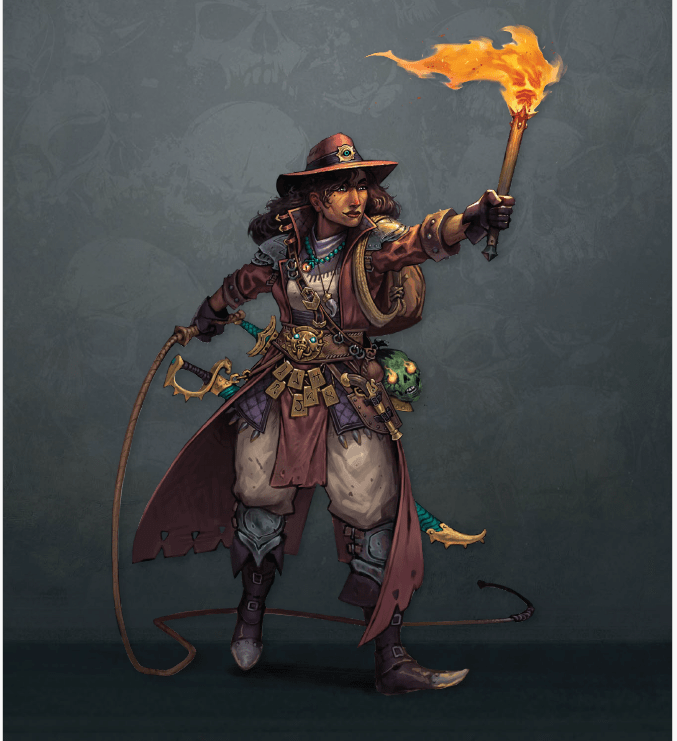
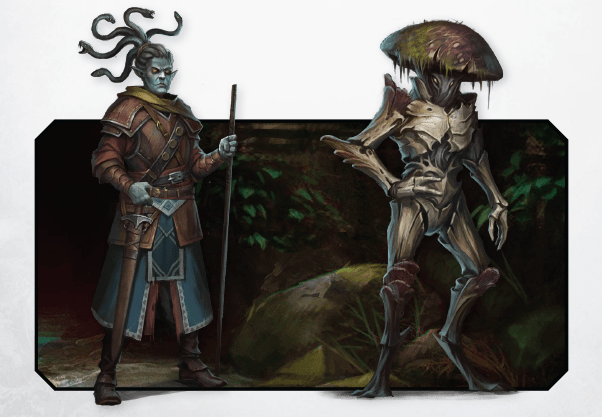
While this is presented as a Shadowdark supplement, much of the art—especially the player-facing illustrations for classes and ancestries—screams 5E. The book is filled with polished, high-fantasy, full-color character art that looks like it was lifted straight from a modern heroic fantasy hardcover.
That’s a problem, because Shadowdark’s visual identity is not accidental.
Shadowdark uses stark black-and-white line art to reinforce its themes of danger, uncertainty, and scarcity. The visuals support the mechanics. DELVE’s glossy, vibrant art actively undermines that mood. Every time you see a beautifully rendered, full-color character portrait, you’re reminded that this book likely began life as a 5E product.
The result is tonal dissonance. Mechanically, DELVE works with Shadowdark—but aesthetically, it feels like it’s pulling in the opposite direction. It reinforces the sense that the Shadowdark version exists largely to capture some of the “magic” Shadowdark currently has in the RPG scene, rather than being the book’s native design home.
3. Ancestries Are Mechanically Uneven
The new ancestries are imaginative, but not equally compelling in play. Some offer powerful, always-on abilities (such as the Stoneborn’s defensive features), while others are highly situational or purely flavorful. This creates an uneven incentive landscape for players.
Shadowdark ancestry choice is normally quick and simple. DELVE’s ancestries introduce complexity and optimization pressure that can slow character creation and subtly shift the tone toward mechanical evaluation rather than survival fiction.
4. The “Why Are We the Bad Guys?” Problem
Many of DELVE’s classes and ancestries lean hard into morally gray or outright dark archetypes—shadow worshippers, ooze manipulators, undead adventurers, secret-keeping zealots, and ethically dubious delvers.
While this fits dungeon fiction, it raises the perennial tabletop question: Why do players always want to play the bad guys?
DELVE offers very little guidance on grounding these characters in cooperative play or shared goals. That burden falls entirely on the GM, who must work to keep the party from becoming a collection of edgy solo concepts instead of a group of desperate survivors.
Additional Coverage Coming Soon
This review is meant to be a broad overview of DELVE as a whole. I’ll be doing a separate deep dive into the player ancestries, as well as a dedicated review of the seven new player classes included in the book.
And honestly, I may end up writing a third review focused solely on the dungeon section and adventures, because that is easily the strongest part of DELVE and deserves to be evaluated on its own merits. We might even create a dungeon using the dungeon generator!
Overall Verdict
DELVE is an excellent dungeon book and an indispensable resource for Shadowdark GMs—but a more mixed offering for players.
Its dungeon content alone justifies its existence, and when the book focuses on danger, pressure, and procedural play, it feels completely at home in Shadowdark. But its player options and visual presentation consistently point back toward D&D 5E expectations, creating a sense that this is a 5E product wearing Shadowdark mechanics rather than a Shadowdark book from the ground up.
If you want tools, dungeons, and advice, DELVE is outstanding.
If you want tight, system-native player options and tone, the book is far less consistent.
Rating:
★★★★☆ (4/5 as a GM resource)
★★★☆☆ (3/5 as a player expansion)ion)
Keep on Gaming!
2026 Goals
- Minis Painted: 113 / 150
- Large Models / Terrain: 5 / 6
- YouTube Videos: 2 / 24
- Game Reviews: 2 / 4
- Games Played (TTRPG + Board Games): 0 / 4
- Thursday Drop-Ins Created: 1 / 12
- New TTRPG Systems Tried: 0 / 3
- Shadowdark Mini-Campaign Sessions: 0 / 3
- Shadowdark Release on DriveThruRPG: 0 / 1
 tabletop-thoughts.com