02/06/2026
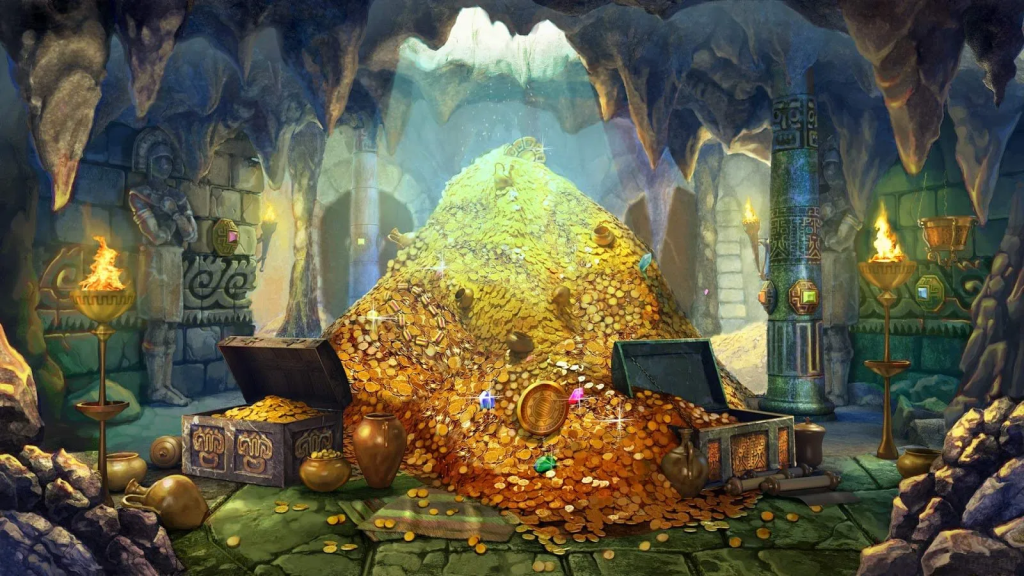
In tabletop RPGs, loot is often treated like fuel: gold, gear, potions, repeat.
And sure — that stuff is fun. Players love treasure.
But if every reward is measured in coin value or combat power, loot starts to feel less like a story and more like a shopping list.
The best rewards don’t just make characters richer.
They make them more connected.
They make the world feel like it’s reacting.
They make the party pause and say:
“Wait… this changes things.”
So if you’re a GM looking to spice up your reward system, here are ways to give your players loot that matters — without handing them another +1 sword.
Why Non-Material Loot Works So Well
Gold is useful, but it’s rarely emotional.
A new spell scroll might be exciting, but it’s not personal.
Meanwhile, something like a noble’s public favor or a forbidden name whispered by a dying cultist can reshape an entire campaign.
Non-material loot has three major advantages:
- It deepens player investment
- It builds future plot hooks naturally
- It makes the world feel alive and reactive
The key is simple:
Reward the story, not just the encounter.
1. Social Loot: Influence, Reputation, and Connections
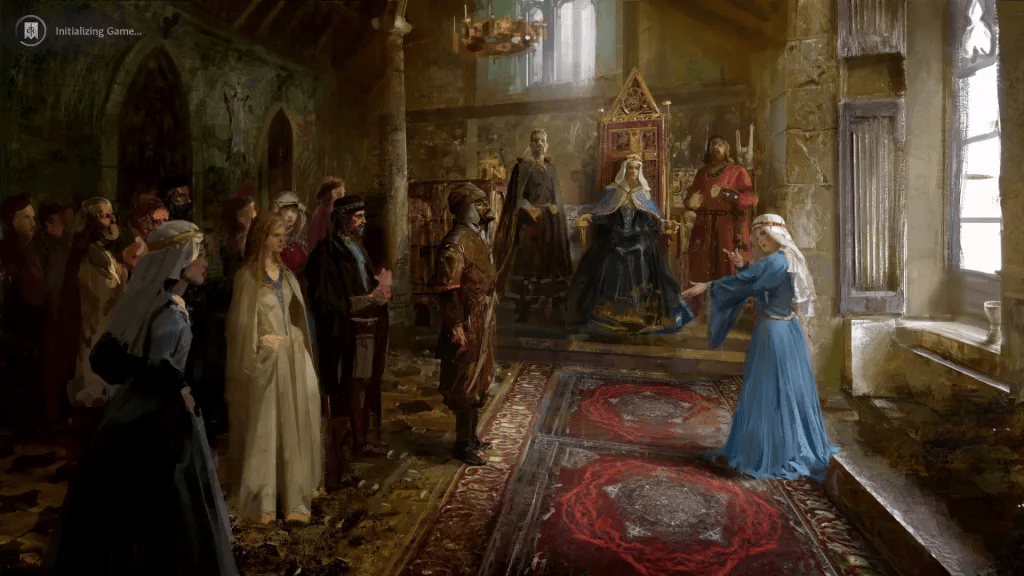
Social rewards are underrated because they don’t go on the character sheet — but players feel them immediately.
Examples:
- A bartender offers free drinks forever.
- The local thieves’ guild stops targeting the party.
- A noble publicly praises them at court.
- A rival adventuring group begrudgingly respects them.
- A temple grants them sanctuary.
These rewards are powerful because they change how the world treats the party.
Bonus tip: Reputation is more interesting when it has side effects.
Being famous means:
- People recognize you
- People ask for help
- People assume things about you
- People blame you when things go wrong
That’s loot with consequences.
2. Narrative Loot: Secrets, Clues, and Forbidden Knowledge
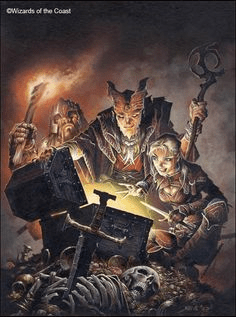
A chest of coins is fine.
But a truth? That’s dangerous treasure.
Narrative loot works best when it creates options.
Examples:
- A coded letter revealing the baron funds the cult.
- A map showing tunnels beneath the city.
- The real name of a demon.
- A prophecy about one of the characters.
- A confession that implicates an innocent NPC.
This type of reward turns the players into decision-makers instead of dungeon-clearers.
It makes them ask:
“What do we do with this?”
That question is the heart of tabletop storytelling.
3. Emotional Loot: Closure, Revenge, and Personal Wins
Players don’t just want rewards.
They want moments.
The most satisfying loot is often emotional payoff tied to the character’s choices.
Examples:
- A lost family heirloom recovered.
- A letter from a dead loved one.
- A villain forced to admit fear.
- A child saved who later becomes an apprentice.
- A character’s name cleared of false accusations.
This kind of reward doesn’t require mechanics — just attention.
If you know your players’ backstories, you can give them loot that hits like a critical strike.

4. Utility Loot: Tools, Access, and Permanent Advantages
Sometimes the best reward isn’t an item — it’s permission.
Utility loot expands what players can do in the world.
Examples:
- A ship.
- A safehouse.
- A teleportation circle key.
- An invitation into a restricted library.
- A magical tattoo that marks them as “allowed” in sacred territory.
These rewards aren’t necessarily combat boosts, but they increase agency.
They create new routes through the campaign.
And players will remember them far longer than a bag of platinum.
5. Favors: The Currency Players Will Actually Hoard
Gold gets spent.
But favors?
Favors get saved like dragons hoard gems.
A favor is a reward that becomes a tactical choice later.
Examples:
- “The Duke owes you one.”
- “The witches will answer one question.”
- “The assassins will remove one target.”
- “The guild will forge one document.”
- “The archmage will cast one spell for free.”
The fun part is that players will argue about when to use them.
And that argument is engagement.
6. Titles and Recognition: The Prestige Loot
Players love being treated like they matter.
Give them a title and watch them sit up straighter.
Examples:
- “Defenders of Eastbridge”
- “Honorary Knight of the Azure Order”
- “Sworn Ally of the Forest Court”
- “Warden of the Northern Pass”
Titles come with story weight.
They open doors.
They also create enemies.
Because if you’re important enough to be honored…
You’re important enough to be targeted.
7. Weird Loot: The Stuff That Shouldn’t Exist
Every campaign benefits from at least one piece of loot that makes players go:
“What the hell is this?”
Weird loot is memorable because it creates mystery.
Examples:
- A glass eye that occasionally cries blood.
- A music box that plays tomorrow’s weather.
- A key that fits no lock… yet.
- A candle flame that whispers names when extinguished.
- A coin that always lands on its edge.
The value of weird loot isn’t what it does.
It’s what it implies.
It tells the party the world is stranger than they thought.
8. Cursed Loot That’s Actually Interesting
Curses are great… when they’re more than “disadvantage on everything.”
The best cursed items are narrative engines.
Examples:
- A sword that can kill ghosts… but attracts them.
- A ring that grants invisibility… but steals memories.
- Armor that makes you fearless… and reckless.
- A book that answers questions… but only in riddles.
- A charm that prevents death once… but binds you to a debt.
A curse should be a tradeoff the player can choose to keep using.
If it’s only punishment, they’ll throw it away.
If it’s temptation, they’ll keep it forever.
9. Rewards That Change the Setting
This is the highest tier of loot.
Not items.
Not gold.
But impact.
Examples:
- The party is given land and becomes local rulers.
- Their choices cause a rebellion to begin.
- A town rebuilds because of their help.
- A faction collapses after they expose corruption.
- A villain’s forces retreat permanently.
This reward is powerful because it tells players:
“Your actions matter. The world remembers.”
And that is the ultimate treasure.
10 Ready-to-Use Reward Ideas (Steal These)
Here are ten rewards you can drop into almost any campaign immediately:
- A sealed letter addressed to one of the party members… in handwriting they recognize.
- A tavern offers them free lodging permanently — but only if they keep the peace.
- A noble’s signet ring granting entry into high society.
- A map that shows an island that doesn’t exist on any official chart.
- A “favor token” from the thieves’ guild, redeemable for one major service.
- A small shrine that begins glowing when the party approaches.
- A wanted poster with the party’s faces — but the crime listed is something they didn’t do.
- A journal revealing that the villain is not the true mastermind.
- A minor magical object that only works when the character is telling the truth.
- A title and a key to an abandoned keep… still inhabited by something.
How to Choose the Right Reward
If you want loot to feel meaningful, ask yourself one question:
What kind of game are we running?
If your campaign is:
- Political → give influence and favors
- Mystery-heavy → give secrets and clues
- Character-driven → give emotional rewards
- Exploration-focused → give access, maps, and utility
- Dark fantasy → give cursed or unsettling rewards
Loot should reinforce the tone.
Rewards are storytelling tools.
Use them like it.
Final Thought: Treasure Should Create New Problems
The best loot doesn’t just help the party.
It complicates their lives in interesting ways.
A magic sword is useful.
But a letter proving the queen is a traitor?
That’s loot that changes the campaign.
So next time your party opens a chest…
Maybe what’s inside isn’t gold.
Maybe it’s a truth they weren’t ready to find.
Keep on gaming!
 tabletop-thoughts.com