
07/29/2025
Encumbrance in D&D 5E: A System That’s Easy to Ignore
In Dungeons & Dragons 5th Edition, encumbrance is based on weight. A character can carry an amount of gear equal to 15 times their Strength score. That means an average character with a Strength of 10 can tote around 150 pounds of equipment without penalty. While this might sound functional on paper, it quickly falls apart at the table. Realistically, no one is walking around with 150 pounds of gear strapped to them without slowing down or struggling. Add to that the impracticality of constantly tracking the exact weight of every item on a paper character sheet, and you get a system that most players and DMs quietly handwave or outright ignore.

What Happens When Encumbrance Gets Ignored
When there’s no mechanical reason not to carry everything, players will naturally default to looting the world. Every goblin sword, dented helmet, or rusted dagger becomes a potential coin. Characters start to resemble fantasy-themed hoarders, dragging carts full of miscellaneous junk from dungeon to town in the hopes of selling it all for a few silver. It can quickly drain the tension and realism from a game meant to simulate danger, scarcity, and hard choices.
To combat this in traditional systems, some DMs resort to house rules. For example, implementing a weapon quality system like the one we discussed here (https://tabletop-thoughts.com/2023/07/21/house-rules-summary-and-updates/) can discourage players from grabbing every sword off the battlefield. Weapons might break easily, or damaged ones might not be worth the effort to sell. This helps curb the problem, but it’s still a patch on a deeper issue.

Enter Shadowdark’s Equipment Slot System
Shadowdark takes a different, beautifully elegant approach. Instead of dealing with pounds and ounces, characters are given a num
ber of equipment slots — simple, abstract, and incredibly effective. Most characters can carry around 10 items, and everything counts: weapons, rations, torches, spellbooks, potions — they all take up a slot. Armor might even take up more than one. Suddenly, inventory becomes meaningful.
This forces players to make decisions. Do you bring five torches, or scale back to three so you can carry extra rations? Do you take that healing potion or the scroll? When your party defeats a group of goblins en route to the dungeon, you likely won’t bother hauling back their crude gear — it would just take up precious space better used for treasure or essential supplies. Every item becomes a tradeoff, and that’s the core of great design: meaningful choice.

Shadowdark Makes Inventory Management a Feature, Not a Chore
By simplifying encumbrance into a slot-based system, Shadowdark transforms what was once a tedious bookkeeping task into a tactical layer of gameplay. Players feel the pressure of scarcity, the tension of having to choose between preparedness and profit. It’s not just what you carry — it’s what you’re willing to leave behind.
This small change ripples across the entire game experience. It reinforces the grim, survival-oriented tone of dungeon delving. It encourages teamwork and planning. And most importantly, it keeps the game moving without sacrificing realism or drama.
Shadowdark didn’t just fix encumbrance — it made it fun.

Why Equipment Slots Naturally Lead to Hirelings and Retainers
One of the brilliant side effects of Shadowdark’s equipment slot system is that it creates a mechanical reason to bring hirelings and retainers along on the adventure. With limited inventory space, players can’t carry everything themselves — and that includes things like torches, treasure, and extra gear. Suddenly, a torchbearer is more than just a flavor detail. They’re a necessity.
Hiring a torchbearer means your fighter can wield a greatsword with both hands and still see in the dark. Bringing along a porter means you can carry more gold, more scrolls, or that valuable statue you found in the goblin shrine. These hirelings are usually paid a flat fee for their services, and smart ones might ask for a small share of the treasure on top of that.
Retainers: More Skilled, More Demanding
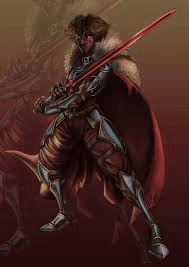
While hirelings are often unskilled laborers or torch-wielders, retainers are more capable NPCs who might fight alongside the party, provide specific skills, or even help cast spells. In return, they’ll expect a larger cut of the loot — sometimes even a full share. Retainers can help fill in gaps in a party’s composition or serve as temporary replacements if someone falls in battle. But they’re not just walking stat blocks — they’re characters in their own right, with personalities, goals, and potential complications.
If you’re a GM and don’t want to handle the added depth of managing the character sheets of these kinds of NPCs, the rules for followers and retainers in Strongholds & Followers by Matt Colville are absolutely worth checking out. You can find the book on the MCDM website here: https://shop.mcdmproductions.com/products/strongholds-followers-pdf.

A Sample of Followers from Strongholds & Followers
The Strongholds & Followers book introduces “Followers” — specialized NPCs with unique abilities and roles. For example:
– Sellsword – A hardened mercenary who can absorb damage and dish it back out.
– Arcane Acolyte – A magical support unit who can provide arcane protection or minor spellcasting.
– Devoted Healer – A cleric-like follower who can tend wounds and stabilize the fallen.
These followers are not built like player characters. They have streamlined stat blocks and simple abilities designed to complement the party without overshadowing them. They’re loyal, thematic, and easy to run — perfect for a GM who wants to deepen their world and give players new tactical options without bogging the game down in complexity. The GM might have to make some small adjustments to fit it into Shadowdark, but this is an easy task and only needed occasionally as a new follower/retainer joins the party.
As a bonus, the GM can handle the social interactions and roleplaying aspects of the followers — while players can take over managing their actions during combat using the simplified character sheets. This keeps the narrative flowing while still giving players an edge in the dungeon.
A Small Change That Reshapes the Whole Game
In older editions of D&D, hirelings and retainers were a staple. Over time, the idea faded from common play — mostly because modern systems didn’t need them. But with Shadowdark’s tight equipment limits and emphasis on survival, their value is clear. You can feel the party dynamic shift when a new retainer joins the ranks. Every torch lit by a hireling frees up a weapon hand. Every follower carrying gold means one more treasure gets out of the dungeon alive.
And isn’t that what old-school adventure is really all about?
Keep on gaming!
 tabletop-thoughts.com