05/28/2025

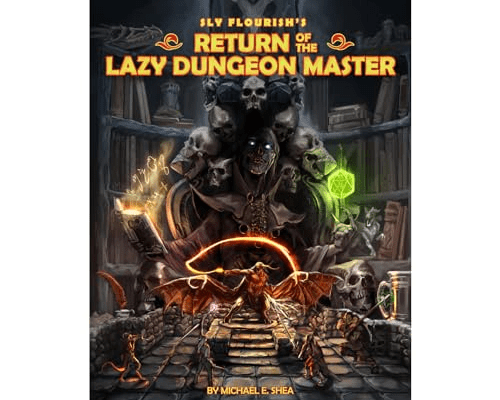
Running a sandbox-style campaign doesn’t mean you need to prepare a mountain of notes you’ll never use. Instead, use Mike Shea’s smart, scalable approach from his acclaimed book, Return of the Lazy Dungeon Master, to get more done by prepping less.
📚 What Are the Eight Steps?
In Return of the Lazy Dungeon Master, Mike Shea introduces a system of eight focused steps that help DMs prepare sessions efficiently, especially in unpredictable or open-world environments. These steps are:
- Review the Characters
- Create a Strong Start
- Outline Potential Scenes
- Define Secrets and Clues
- Develop Fantastic Locations
- Outline Important NPCs
- Plan Monsters
- Create Treasure

📝 Step 1: Review the Characters
Start your prep by checking in with your players’ characters. Who are they? What do they care about?
In a sandbox, this step is critical. Use backstories, goals, or unresolved threads to seed new options.
Example: Thorne, the rogue, once worked for a smuggling crew. Perhaps the same crew is active again, and their ship has just been spotted in the harbor.

🎬 Step 2: Create a Strong Start
A strong start sets the session in motion with drama, mystery, or a tough choice.
Example: The party is roused at dawn by the sound of cannon fire. Two ships battle just outside the harbor—one flies a known pirate flag.
This grabs attention but doesn’t dictate player choices. Will they help? Investigate? Ignore it?

🎭 Step 3: Outline Potential Scenes
Jot down 3–5 possible scenes. Don’t commit to any—just have them ready if the players go that way.
Examples:
- Sneaking into the cursed lighthouse.
- Meeting with the dockmaster’s secret informant.
- Breaking up a brawl at the tavern.
🧩 Step 4: Define Secrets and Clues
Write 10 interesting pieces of knowledge players could discover through exploration, conversation, or investigation.
Secrets for a coastal sandbox:
- The mayor is secretly a member of the salt cartel.
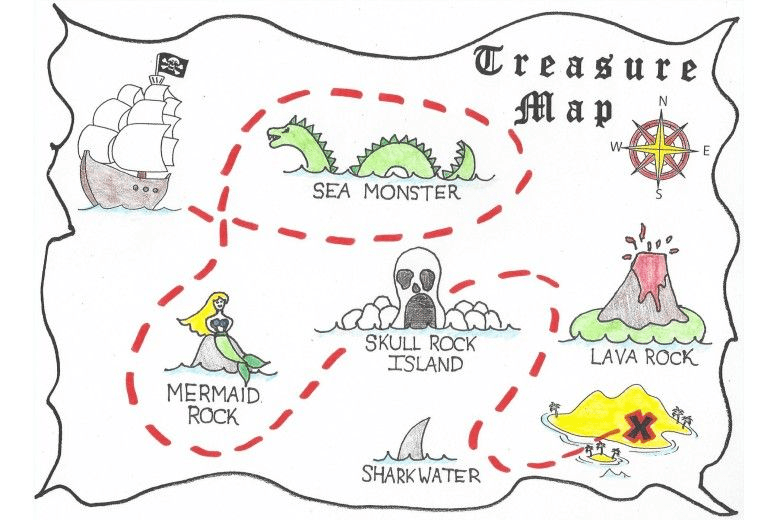
- A shipwreck off the coast holds a partial treasure map.
- A deep rift beneath the bay leads to the tomb of an ancient sea god.
These drive exploration without railroading the players.

🏰 Step 5: Develop Fantastic Locations
Prep 2–3 exciting locations that could appear during the session.
Examples:
- The Splintered Beacon – A half-submerged lighthouse glowing with strange light.
- The Coral Throneroom – A bioluminescent cave ruled by sahuagin nobility.
Give each a clear vibe and purpose, but don’t over-detail.

🧙 Step 6: Outline Important NPCs
Choose 3–5 key NPCs your players might meet. Define:
- Name
- One motivation
- One quirk or trait
Examples:
- Captain Vexa – Dashing pirate who once dated the bard.
- Brother Seldan – Cultist healer preaching peace.
- Old Murth – Talks to fish, may not be crazy.

🐙 Step 7: Plan Monsters
Pick a few thematic monsters or encounters that match the area’s mood. Include environmental twists.
Example Encounter:
Fighting sea-ghouls on crumbling docks during high tide. Each round, waves threaten to knock characters into the sea.
Use reskins (e.g., sahuagin as sea-cursed humans) to keep things fresh without inventing from scratch.

💎 Step 8: Create Treasure
Treasure in a sandbox can be more than gold. Give items mystery, lore, or potential consequences.
Examples:
- A sword that hums near the undead.
- A map fragment burned at the edges—clearly torn from a larger whole.
- A vial of “Everdeep Ale” traded among sea dwarves for favors.
🧠 Final Thoughts: Prep Less, Play More
Using the Eight Steps of Lazy Prep, you can support deep player agency without burning yourself out. Focus on what matters: characters, choices, and cool moments. Everything else? Optional.
If you’re a DM juggling life, work, and multiple campaigns, Return of the Lazy Dungeon Master is the prep guide you’ve been waiting for.
These tools work great for 5e, Shadowdark, Pathfinder, and most narrative-heavy RPGs.
Keep on gaming!
 tabletop-thoughts.com