01/31/2025

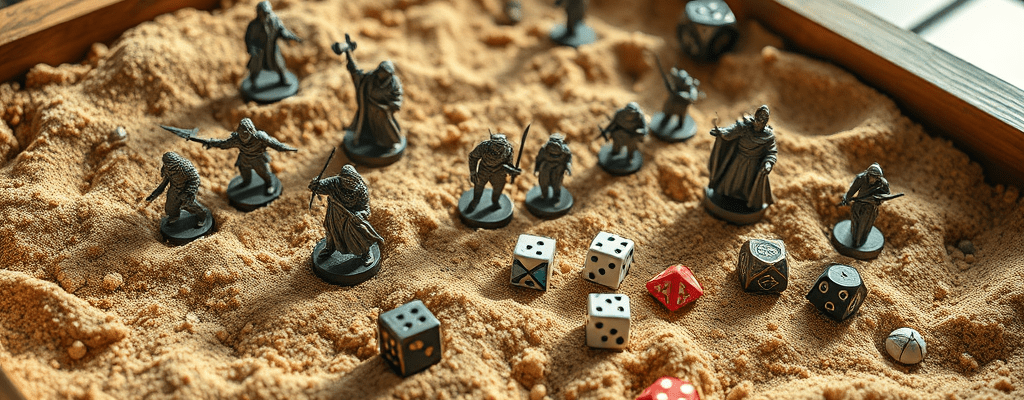
Running a sandbox tabletop role-playing game can be an exhilarating experience for players and game masters. A sandbox campaign emphasizes freedom, allowing players to explore the world and pursue their goals without a pre-determined path. However, the open-ended nature of a sandbox requires careful preparation and execution to keep the game engaging and manageable. Here are the best methods I have found for running a successful sandbox TTRPG. Remember, your mileage may vary.

1. Establish a Strong Foundation
The world is the cornerstone of any sandbox campaign. Players will rely on its richness and consistency to guide their choices. To build a strong foundation:
- Create a Detailed Map: Include key landmarks, cities, natural features, and regions of interest. Use tools like hex grids for exploration-based campaigns. You don’t need a map of the entire world, but a good detailed map of the local area characters could reach in a day or two of travel.
- Flesh Out Factions: Populate your world with organizations, groups, and individuals with clear motivations and relationships. Factions add dynamism and give players a sense of a living world.
- Develop a Backstory: While players will drive the plot, the world should have history, conflicts, and events that provide context and flavor. Instead of giving an opening speech about the history of the world, this information could be delivered as rumors and dialogue from NPCs.

2. Design Modular Content
Sandbox games thrive on player-driven exploration but still need engaging content. Use modular design to prepare material that can be used in different contexts:
- Random Encounters: Create tables for NPCs, creatures, and events that can add flavor or challenge. Have a folder of pre-generated random encounters (Schrodinger’s Scenarios) that you can easily drop into the campaign.
- Quest Hooks: Prepare a variety of plot seeds, from escort missions to dungeon crawls. These can tie into player backstories or world events.
- Dynamic Locations: Design places that evolve over time. A bandit camp might grow into a fortified stronghold, or a peaceful village could fall victim to a plague.

3. Empower Player Choice
Player agency is at the heart of a sandbox campaign. Encourage your players to make meaningful decisions:
- Present Multiple Options: When introducing quests or rumors, avoid steering players toward a single path. Let them weigh their priorities and choose.
- Embrace Consequences: Ensure that actions—or inactions—have an impact on the world. Ignoring a growing goblin threat might lead to a town being razed. This is where a calendar comes into play. We talked about that here: https://tabletop-thoughts.com/2024/10/18/creating-a-dynamic-world-for-rpgs-rumors-and-timelines/
- Support Creative Solutions: Be flexible when players come up with unconventional plans. Reward ingenuity, even if it takes the story in an unexpected direction.

4. Keep the World Dynamic
A sandbox world should feel alive, with events unfolding whether or not the players are present:
- Introduce Timers: Use countdowns for events like invasions, natural disasters, or faction wars. Players can intervene or let events run their course.
- Track Faction Goals: Factions should act independently of the players, pursuing their objectives and reacting to the group’s actions.
- Evolve the Environment: Show changes over time, such as seasons shifting, new settlements being built, or ruins being reclaimed. This is why you should use a calendar designed for your world. We talked about that here: https://tabletop-thoughts.com/2024/07/25/throwback-thursday-timekeeping/

5. Master Improvisation
Sandbox campaigns require GMs to think on their feet. Players will inevitably go off the beaten path, so:
- Use Templates: Prepare generic NPCs, encounters, and locations that can be tailored on the fly. This is where a great list of random NPC names (along with race and gender) comes into play.
- Rely on Player Input: When players describe their goals, use their ideas to guide improvisation.
- Practice Yes, And: Build on unexpected player actions instead of shutting them down. This keeps the story collaborative and engaging.

6. Maintain Focus and Momentum
Sandbox campaigns can become aimless if not managed carefully. Keep the game’s momentum steady by:
- Using Rumors: Seed rumors throughout the world to spark curiosity and encourage exploration. Sly Flourish’s Lazy Dungeon Master spells this out nicely. You should have 10 rumors ready for each session. If you don’t use one, it can be recycled into the next session.
- Setting Short-Term Goals: Help players find direction by identifying achievable objectives.
- Pacing Downtime: Balance exploration, roleplay, and combat to avoid long stretches of inactivity. Unless the shopkeeper is a source of plot hooks, maybe just have the players do their shopping off-screen and/or between sessions.

7. Engage with Player Backstories
Player characters’ pasts and ambitions can serve as excellent fuel for a sandbox campaign. Work with your players to:
- Tie Backstories to the World: Link characters to factions, locations, or ongoing conflicts.
- Reward Personal Quests: Introduce opportunities for characters to pursue their own goals.
- Blend Individual and Group Goals: Weave personal stories into the broader narrative to create a cohesive experience. Professor Dungeonmaster over at Dungeoncraft did a great job of this during his Reviled Society campaign. You can see that here: https://www.youtube.com/watch?v=U-BXNjyBatw&list=PLYlOu5g6H7ZzGZMsoY_PY8KICxALnA3RP&index=4
8. Prepare for the Unexpected
No matter how much you plan, players will surprise you. Approach these moments with flexibility and curiosity:
- Have a Backup Plan: Keep a list of general plot ideas or encounters ready for when things go off-track. (Schrodinger’s Scenarios are great for this!)
- Adapt Existing Material: Repurpose unused content to fit new directions.
- Celebrate Chaos: Embrace the unpredictability of sandbox games as part of their charm.

9. Plan only the Next Session
When running a sandbox TTRPG campaign, it’s best to only prepare for the next session based on what the players have decided to do. This keeps prep focused and prevents wasted effort on unused content. To make this work smoothly:
- At the end of each session, ask the players what they plan to do next.
- Once they commit, their choice is locked in—no last-minute changes.
- Prepare just enough details, NPCs, and encounters to support their chosen direction.
- Keep some general world-building elements ready in case they go off track, but avoid deep-diving into areas they haven’t chosen.
This approach keeps the game flexible while ensuring you’re only prepping what’s needed.

Conclusion
Running a sandbox TTRPG is an art that balances preparation, improvisation, and player collaboration. By creating a rich, dynamic world and giving players the freedom to shape their own stories, you can craft a campaign that is as rewarding as it is unpredictable. Remember, the journey in a sandbox game is often as important as the destination, so enjoy the ride and let your players’ choices lead the way.
Keep on gaming!
 tabletop-thoughts.com