01/03/2025
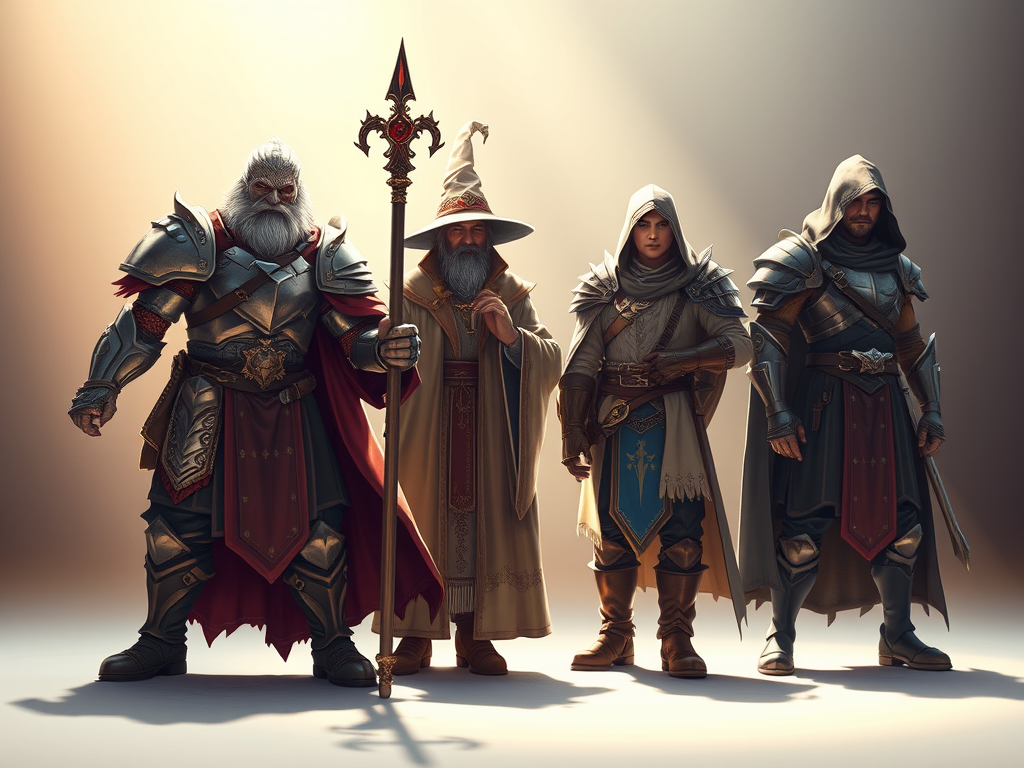
In tabletop role-playing games, the story and adventures your group experiences hinge on the abilities and skills of the party. A balanced party composition can mean the difference between creative problem-solving and moments of helplessness in the face of certain challenges. So, how do you ensure your group has a well-rounded set of abilities and skills? Let’s break it down, starting with Session Zero.
The Role of Session Zero
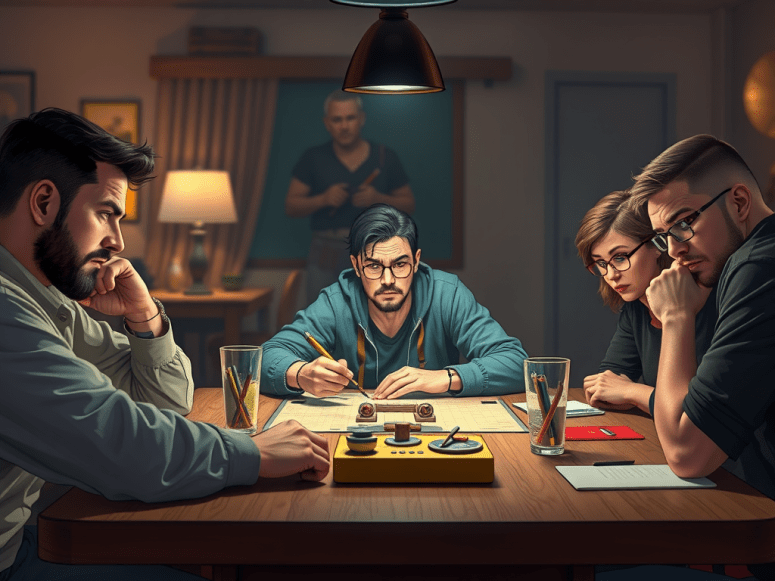
Session Zero is the cornerstone of party balance. It’s the session before the adventure begins, where players come together to create their characters, discuss campaign expectations, and coordinate their roles within the group. During this session, players and the Game Master can identify gaps in the party’s capabilities and ensure everyone is aligned on the kind of adventure they’ll be embarking on. We have talked about running a Session Zero before (here).
For example, if the group consists of a wizard, a rogue, and a bard, they might notice the absence of a sturdy front-line combatant. This insight allows the players to adjust their characters if they wish or agree on creative strategies to compensate for their shortcomings. The collaborative nature of Session Zero fosters team synergy and sets the tone for cooperative storytelling.
Key Party Roles
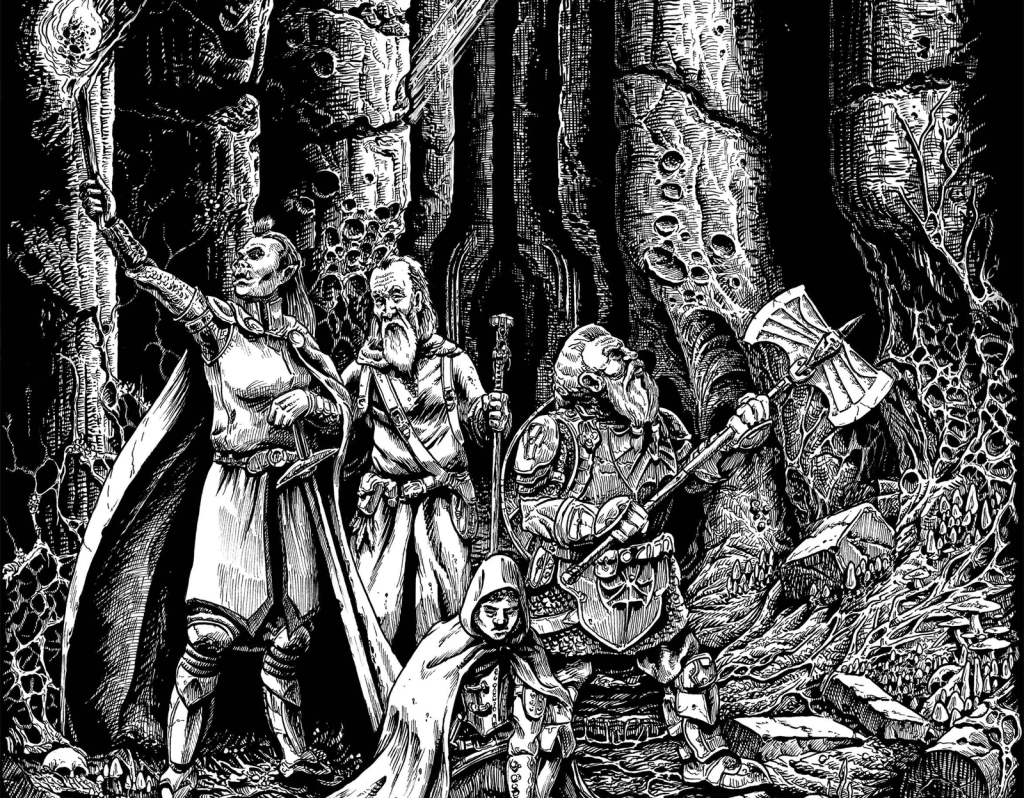
While every roleplaying game is unique, there are generally four key roles that help create a versatile and capable party:
- Tank: This character absorbs damage and protects squishier allies. Classic examples include fighters, barbarians, and paladins.
- Damage Dealer: These characters focus on dealing heavy damage to enemies, whether through melee, ranged, or magical attacks.
- Support/Healer: This role provides buffs, healing, or crowd control to keep the party alive and effective in battle.
- Skill Specialist: This character excels in non-combat situations, such as sneaking, disarming traps, or solving puzzles.
A well-balanced party will often have characters who can fulfill more than one role, making them adaptable to different challenges.
Strategies for Balance
Here are some strategies to achieve balance during Session Zero:
- Discuss Party Needs: As characters are introduced, take note of the roles and skills they bring to the table. If everyone wants to play ranged damage dealers, for instance, discuss how that might affect gameplay and whether anyone is willing to fill other roles.
- Encourage Flexibility: Some players may be willing to tweak their character concepts to better fit the group’s needs. Perhaps the rogue decides to dip into a spellcasting class for healing, or the bard builds for melee combat.
- Consider Creative Solutions: Not every group needs to stick to traditional archetypes. A party without a healer might stock up on healing potions, or a group lacking a tank might use clever tactics to avoid direct combat.
- GM Involvement: The GM can design the campaign to accommodate the party’s strengths and weaknesses. If the group lacks a tank, encounters can be tailored to emphasize strategy over brute force.
Balancing Beyond Session Zero
Party composition isn’t a one-and-done deal. As the game progresses, players can develop their characters to address gaps that become evident through play. For instance, a wizard might learn utility spells to handle skill challenges, or a fighter might acquire magic items to support their allies.
Encourage players to communicate openly about what’s working and what’s not. This ongoing dialogue ensures the group can adapt and thrive, no matter what the adventure throws their way.
Final Thoughts
Balancing party composition is as much about storytelling as it is about mechanics. By starting with a collaborative Session Zero and maintaining open communication throughout the campaign, your group can create a dynamic team ready to tackle any challenge. Remember, the goal isn’t just to survive—it’s to have fun and create memorable moments together.
Keep on gaming!
 tabletop-thoughts.com