
12/20/2024
Welcome back to Tabletop Thoughts!
Today, we will continue our examination of the classes in the Player’s Companion for Shadowdark, this time focusing on the Mage-type classes.
This is where I think the book could have done more classes and not been just a base class with a background/concept. The new classes could have been a new talent or two plus a new spell list and spells flavored for the class. The Witch from Cursed Scroll #1 is a good example. Ten new Witch spells per tier and all of them are themed for the Witch.
Sadly, we didn’t get that. We have some new cool talents, some overpowered talents, and some talents that leave you scratching your head.
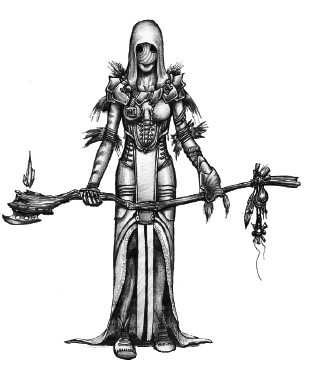
Conjurer
“Conjurers are magic users that have focused on summoning and creation magic.”
Here is a class that I think could have worked with some new spells focused on summoning items and creatures.
Conjurers get three talents: Imps, Scroll Study, and Wizard Spells. Scroll Study and Wizard spells are the same as Wizards from the core rules.
Imps: You can create a small magical imp to serve you. They can perform basic tasks such as picking up objects, walking, and speaking one language of the conjurer’s choice. Imps fly at the conjurer’s walking speed. They have 1 hit point and 10 AC, but will flee from combat if endangered. You can create 1 imp per level and you take 1 damage if an imp is slain.
I like this talent. It reminds me of the Find Familiar spells from D&D. This feels like a Conjurer and makes it unique from the Wizard. I think linking the imps to the Conjurer’s HP could require the Conjurer to use their own blood to create the imp to make them “linked”.
A few new spells that summoned creatures to aid in combat would have been nice. Maybe a spell that allowed the Conjurer to summon a mundane animal of the player’s level. Another spell to create small common items that have limited duration or require focus would have been useful.
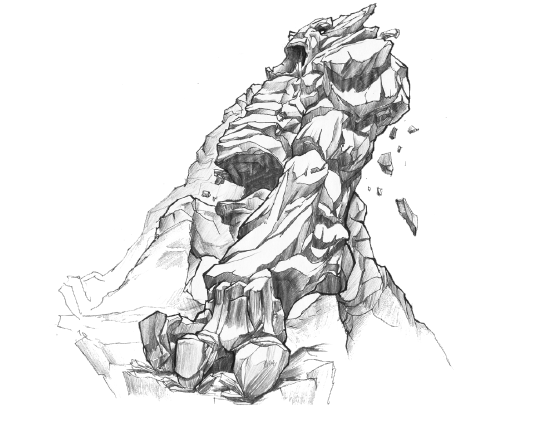
Elementalist
“Elementalists are magic users adept at channeling elemental magic energy. Choose a form of elemental energy to master:”
- Earth: Matter without Movement or Energy
- Wind: Movement without Energy or Matter
- Fire: Energy without Movement or Matter
- Ice: Movement and Matter without Energy
- Lightning: Energy and Movement without Matter
- Plant: Matter and Energy without Movement
- Water: A fluid mix of all three
- Shadow: Absence of all three
This is another class that could have been great with the inclusion of new spells and spell list. I like how the author created the different elemental energy categories. It would have been nice to have some new spells that were generic enough to allow them to be used for any category. (ELEMENTAL) Blast or (ELEMENTAL) Wall for example.
The Elementalist gets 3 Talents: Blast, Elemental, and Wizard Spells.
Blast is basically a cantrip from D&D 5E. The blast causes only 1HP to a near enemy. If the caster fails, there are no consequences. That just doesn’t feel like it fits Shadowdark. It seems too overpowered.
Elemental allows the Elementalist to create an elemental ally during a downtime rest if the Elementalist is at full HP. This feels like something that could be used with the Conjurer.
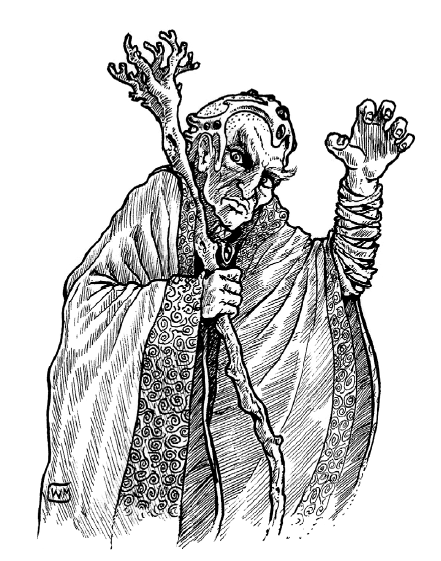
Enchanter
“Enchanters are socially powerful and attractive magic users. They use magic to bolster these qualities and simply overwhelm the mind of another person.”
This class has only 2 Talents: Mesmerizing Gaze and Wizards Spells.
Mesmerizing Gaze: If a humanoid subject is isolated and engaged in conversation with you, they can become mesmerized with an opposed CHA check. They must be alone and giving you their entire attention with no distractions. While mesmerized, the subject will provide almost any information requested. If they want to keep a secret, they must make a WIS check vs DC 15. A success on this check will end the mesmerizing effect immediately.
The Enchanter class isn’t very useful. They get Wizard spells but no scroll learning. The Mesmerizing Gaze is so restrictive that it is almost useless. No new spells to Charm or Control others. This class is a big pass.
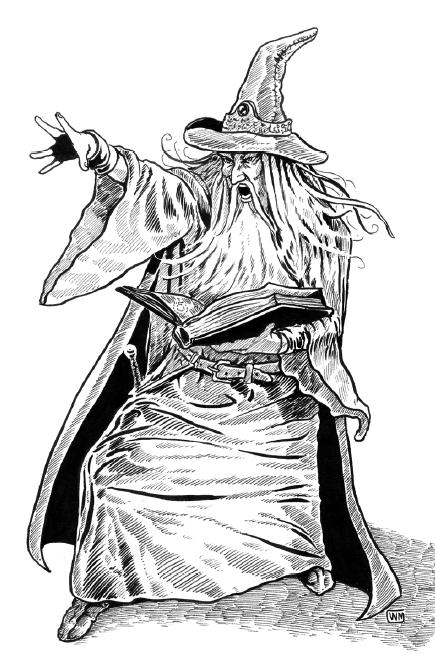
Mage
“Mages are powerful wizards that focus on mastering a small set of favored spells.”
Mages get two talents: Signature Spell and Wizard spells. Like the Enchanter, the Mage loses the ability to learn new spells from scrolls.
Signature Spells allows the Mage to select one spell per character level to turn into a signature spell that cannot be critically failed. It also manifests in a personalized way that others can tell it is from your Mage.
I am torn on the Mage. You lose the ability to learn new spells from scrolls, but I like the Signature Spell talent. The Mage can still fail a spell check, but Signature Spell keeps it from being a critical failure. I would allow a Wizard to swap this talent into their talent table or select this talent at character creation instead of another talent.
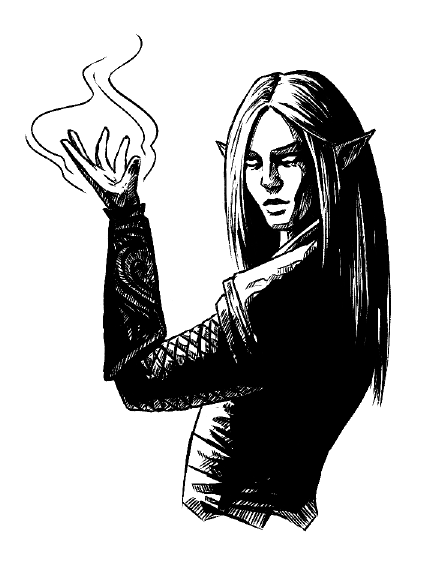
Necromancer
“Necromancers are wizards that have specialized in mastery of the undead. They are generally
seen as pariahs by priests and most other spellcasters, but their unique abilities can be useful in
a crisis.”
Necromancers get three talents: Command Undead, Scroll Study, and Wizard Spells.
Command Undead: You can use your magical power to subjugate undead and compel them to serve you. You can use a combat action to make a CHA check vs DC 10 + the level of the undead. Success will allow you to command them (as if charmed) for 3 rounds.
I like the idea of a necromancer but the execution is a little off. A new spell to create undead would have been great. It would have been a nice touch, even if it is just zombies and skeletons (limited to 1/character level). The Command Undead could still work, allowing the Necromancer to control undead that they didn’t create by bending them to the Necromancer’s will. Spells that cause death or decay would have been a nice touch too.
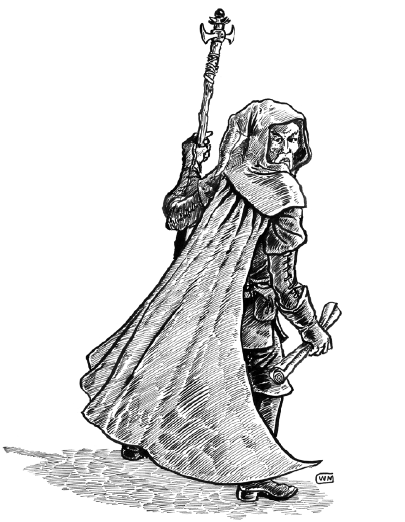
Scholar
“Scholars are powerful spellcasters that can develop a vast flexible repertoire of spells. They discover this magic through focus and hard study. The scholar’s wisdom is recognized by others.”
Scholars get three talents: Leadership, Scroll Study, and Wizard Spells.
Leadership: Your NPC allies and aligned creatures make morale checks with advantage. You can designate one ally per round to benefit from your tactical advice. They gain a +1 bonus on their
attack rolls and +1 initiative.
This talent is the same as the Noble, but it doesn’t feel right for a Wizard. Nobles inspire others into action, not the Wizard.
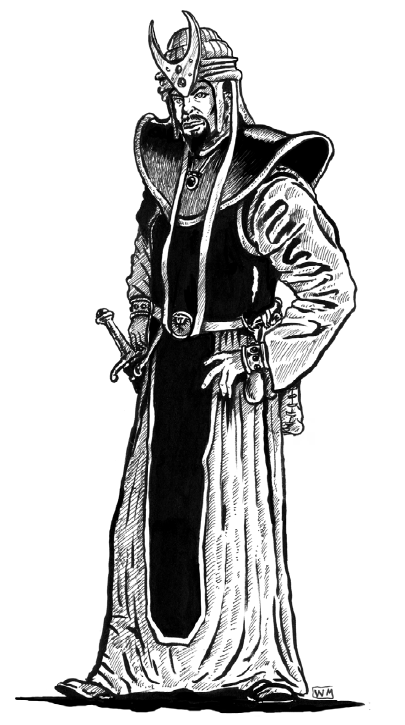
Sorcerer
“Sorcerers are magic users adept at recovering their spellcasting ability without taking the time to
rest.”
Sorcerers get three talents: Quick Recovery, Scroll Study, and Wizard Spells.
Quick Recovery: If you fail a spellcasting check, you will recover the ability to cast the spell again after 10 rounds.
This talent is one of the most overpowered talents in this book. One of the characteristics of the Wizard is managing your spell use during the adventure. Do you use a spell here knowing failure will remove it from your arsenal until you rest? With the Sorcerer, you just wait a minute.
Scroll Study doesn’t really fit the Sorcerer either since Sorcerers are usually portrayed as having an innate ability to cast spells. How does that work with learning a spell from a scroll?
I think this class could easily just have been a Wizard with a concept. I could see working with a player to create a “class” like this, especially if I was allowing them to swap talents at character creation. Maybe a Wizard that swapped out the Learning Spells talent for Signature Spells talent. That could be the reason the Wizard cannot critically fail a spell. (This is pretty much the Mage class)
Conclusion
I think some of these classes would have been good additions to the game with a few new spells (and spell lists). There are only 12 spells per tier for Wizard spells so all of these classes are casting the same spells.
Keep on gaming!
 tabletop-thoughts.com