
12/11/2024

One of the defining traits of an excellent Dungeon Master (DM) is the ability to improvise. Players often make unexpected choices, whether it’s befriending the villain, torching your carefully crafted dungeon, or asking what’s on the menu at the tavern. While these moments can derail a meticulously planned session, they are also opportunities to shine. Here’s how you can hone your improvisation skills and turn those unpredictable player actions into memorable storytelling moments.
1. Embrace the Chaos
Improvisation thrives on unpredictability, and TTRPGs are a perfect playground for it. Instead of resisting unexpected player actions, embrace them. Accept that your players will zig when you expect them to zag. By viewing surprises as opportunities rather than disruptions, you’ll be more open to creative solutions.
Example:
The players decide to sneak past your elaborate trap-laden corridor. Instead of scrapping your work, think about how the villain might use those traps later against the group. Perhaps a triggered trap elsewhere alerts the enemy to their presence, or the group unknowingly leaves a key item behind. You can also save these traps and put them into your next dungeon.

2. Learn to Say “Yes, and…”
Borrowed from improv theater, the “Yes, and…” technique keeps the story flowing. When players suggest something unusual, affirm their idea and build on it. This doesn’t mean agreeing to everything but finding a way to incorporate their creativity without breaking the game’s logic.
Example:
If a player declares they know an NPC from their past, respond with, “Yes, and they might owe you a favor—but it’s complicated because they’re now working for the enemy.”

3. Practice Thinking in Broad Strokes
You don’t need to know every detail to improvise effectively. Focus on big-picture elements like motivations, conflicts, and consequences. When players throw you a curveball, think about the overarching narrative and how the new development might fit in.
Example:
If players avoid your main quest to chase a minor lead, consider how their detour could tie back into the primary storyline. Maybe the seemingly unrelated event provides critical information or introduces a future ally.
4. Leverage Random Tables, Generators, and Schrödinger’s Scenarios
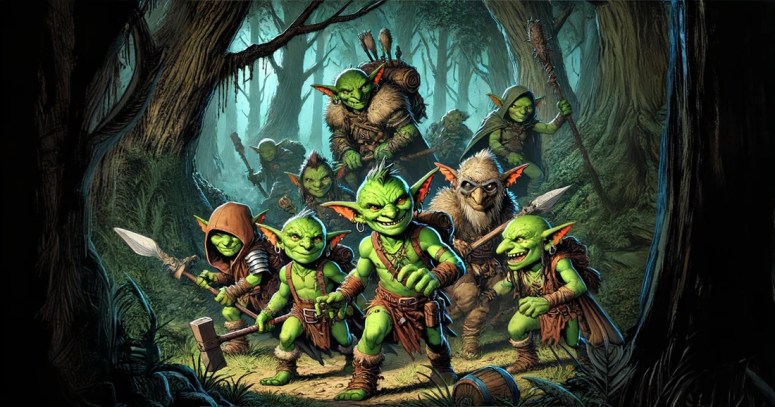
Random encounter tables, NPC name generators, and dungeon creation tools are invaluable for on-the-fly inspiration. These tools provide prompts that can spark creativity and help fill in gaps when players take unexpected actions. One particularly effective method is using a d666 table, which generates dynamic encounters by combining three elements: an NPC or monster, their current action, and a complication.
Example:
A roll on the d666 table might produce the following:
- NPC/Monster: Goblins
- Current Action: Raiding a caravan
- Complication: They are embroiled in internal strife
This setup creates a flexible scenario with multiple storytelling opportunities. Perhaps the goblins’ infighting allows the players to negotiate with a splinter group or exploit the chaos to rescue the caravan. The same encounter could be used in different contexts, making it a perfect candidate for a Schrödinger’s Scenario.
Another powerful tool is the concept of Schrödinger’s Scenarios—preplanned events or encounters that remain flexible until the players interact with them. Combining random tables with Schrödinger’s Scenarios allows you to adapt seamlessly while keeping the narrative cohesive and engaging. In fact, you can use your random table to create Schrödinger’s Scenarios between sessions. (See here for a video about doing just that).

5. Build a Mental Toolbox
Over time, you’ll develop a mental library of stock NPCs, locations, and encounters. Flesh out a few generic options that can fit into various scenarios—a mysterious traveler, a bustling marketplace, or a rival adventuring party. These ready-to-go pieces can save you time and reduce stress during improvisation. You can also use real-life people or actors as a template for your NPCs so you have to less to remember.
Example:
Your party decides to find the leader of the local thieves’ guild to get some information. Since this person is important and the party may interact with this person in the future, you quickly decide that the leader is Vito Corleone (Marlon Brando) from The Godfather. You pluck a name from your pregen name list and boom: instant memorable NPC! You just need a small note with the name and personality and you can pull it off with little work whenever the party encounters the NPC.

6. Practice Outside the Game
Improvisation is a skill that improves with practice. Engage in creative exercises like storytelling games, writing prompts, or even improv theater classes. These activities can build your confidence and help you think more fluidly during sessions.

8. Trust Your Players
Improvisation doesn’t have to be a solo act. Trust your players to help co-create the narrative. Ask them questions about their actions or motivations, and use their answers to guide the story. Collaborative storytelling can relieve some of the pressure on you while enriching the game world.
Example:
Here’s an improved and enriched version of the exchange that emphasizes trust and collaborative storytelling:
Player: “I try to intimidate the guard into letting us pass.”
DM: “Interesting. What’s your character’s approach? Are you relying on threats, flaunting authority, or something else?”
Player: “I step forward, glowering, and growl, ‘You don’t want trouble with us. Step aside, or you’ll regret it.’ I’m trying to sound like we’re more dangerous than we probably are.”
DM: nodding “Nice! The guard flinches for a moment. You can see the doubt in his eyes. What about you made him hesitate? Is it your appearance, the way you said it, or something different?”
Player: “I think it’s the scars on my face from past battles. They tell a story of someone who’s been through a lot and doesn’t back down.”
DM: “Perfect. The guard glances at your scars and shifts nervously. You can see him weighing his options. Let’s make a roll to see if your words push him over the edge—or if he decides to test your threat.”

9. Don’t Fear Failure
Not every improvised moment will land perfectly, and that’s okay. Most players appreciate the effort and won’t notice small missteps. Keep the game moving, and don’t dwell on what could have gone better.
I have had nights when it seemed that everything was perfect. Every NPC was great, all of the descriptions were spot on, I could do nothing wrong and my players were just eating it up. On other nights, I felt like that was the worst experience and I would never show my face at the game table again, but I did show up the following week and the campaign went on.
Some nights you are George Clooney in Ocean’s Eleven, and other nights you are Clooney in Batman & Robin.

Final Thoughts
Improvisation isn’t about knowing everything—it’s about staying flexible, creative, and collaborative. The more you practice, the easier it becomes to adapt to the twists and turns your players throw your way. By mastering the art of thinking on your feet, you’ll turn unexpected moments into the highlights of your campaign. Plus, it always helps to have some material prepared that you can just pull out too!
How do you handle player unpredictability? Share your favorite improvisation tips and stories in the comments below!
 tabletop-thoughts.com