11/01/2024
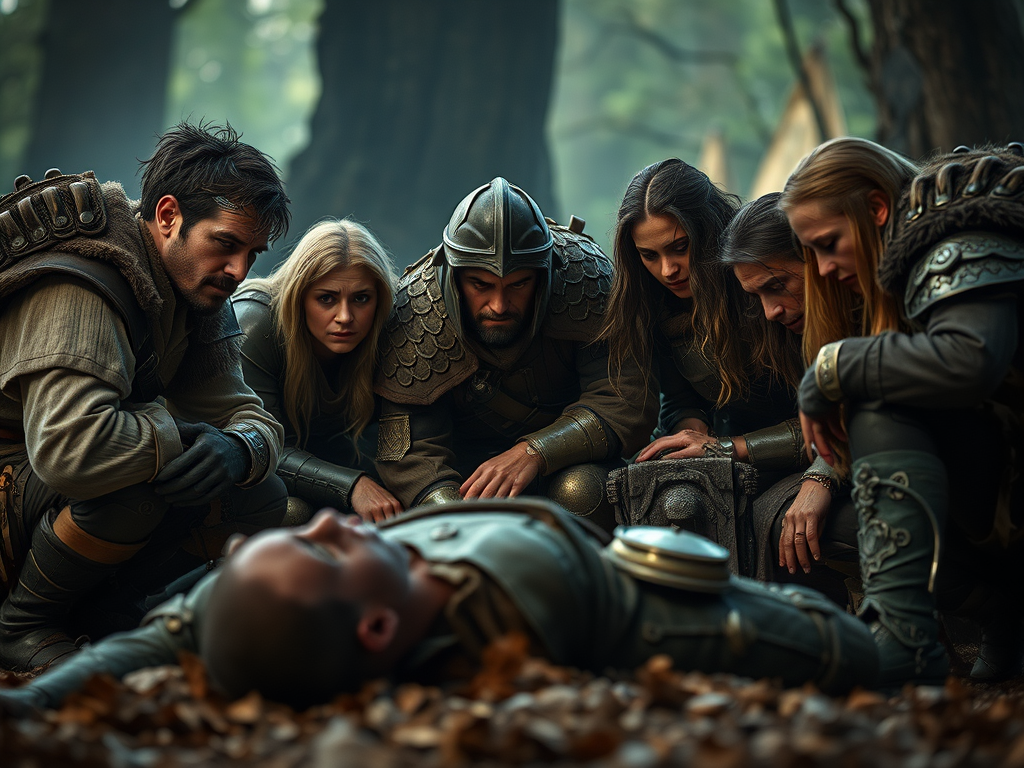
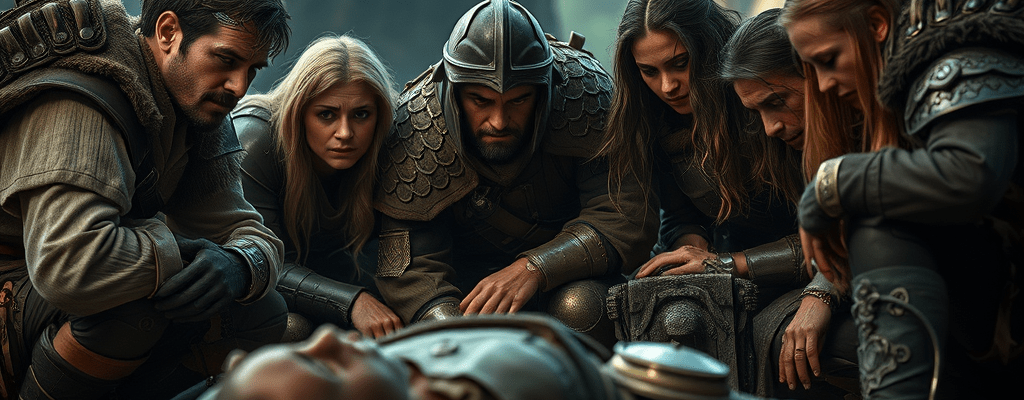
If you’re used to running or playing Dungeons & Dragons 5E, you know that character death is rare. Characters often feel like superheroes, equipped with an arsenal of magical abilities, powerful healing spells, and mechanics that keep them from falling in battle too easily once they reach beyond the second level. But Shadowdark, my latest obsession, flips this concept. In Shadowdark, death is more frequent, and players must tread carefully because the game world is harsh and unforgiving. This shift in tone makes character deaths meaningful and impactful—and opens up a world of storytelling potential beyond mere survival.
The Meaning of Death in TTRPGs
In many TTRPGs, especially those like D&D 5E, character deaths might feel hollow or avoidable. However, when death looms as a real, ever-present threat, it can deepen the story, raise the stakes, and even bring players closer to their characters. Shadowdark leans into this; characters feel more grounded, vulnerable, and aware that each choice could be their last. So how do we as GMs handle this frequency of death without it becoming simply a mechanic or a moment of frustration?
Embrace the High Stakes: Every Decision Counts
In Shadowdark, every encounter feels like a gamble, a brush with danger that could end a character’s journey. To make deaths meaningful, emphasize the significance of each decision. Was the character being courageous, or were they acting out of desperation? When a character dies, it should feel like a natural (if tragic) outcome of the decisions they’ve made rather than just a result of bad luck. Every encounter for the party can’t always be dealt with using combat and violence. Sometimes, the party needs to know they are outmatched and handle the situation through other means, including avoidance.
Highlight the Sacrifice and Legacy of Fallen Characters
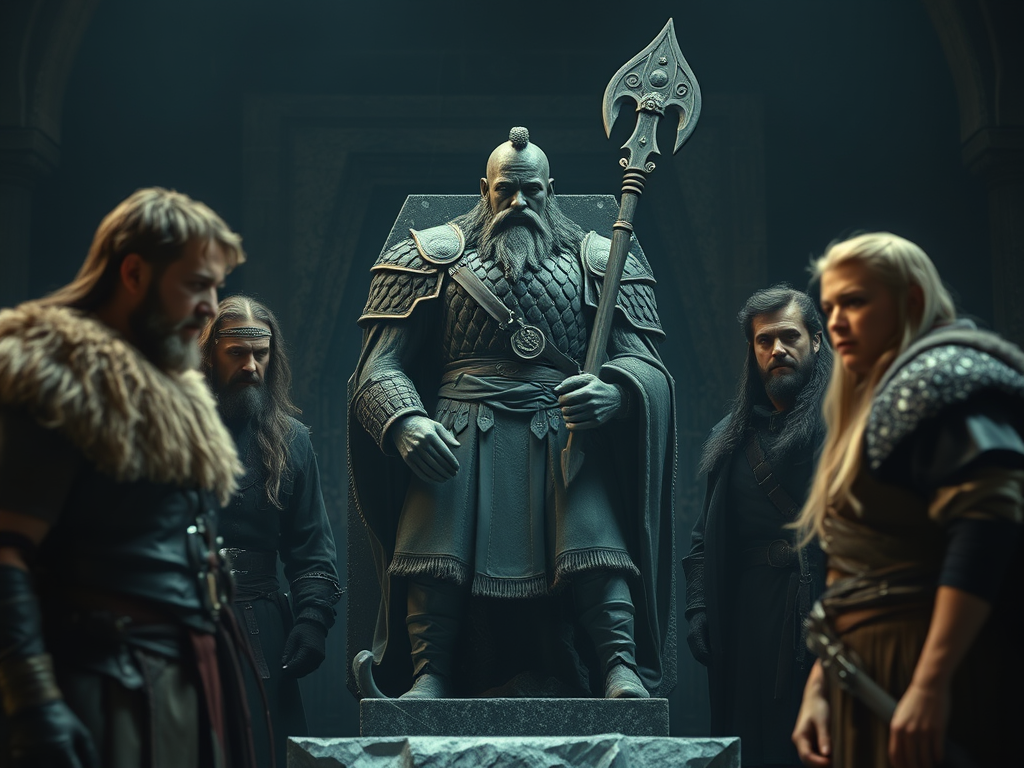
Deaths can have powerful, lasting effects on a campaign. When a character dies, they leave a mark on the rest of the party. Their loss might motivate others, become a rallying point, or even change the group’s dynamics. If they were brave warriors, perhaps tales of their deeds inspire local villagers to take up arms and join the fight (a great backstory for the next character). For the party, they become reminders of the cost of adventuring and why they continue to press on.
Explore Consequences That Affect the Living Characters
The death of a character in a world as gritty as Shadowdark should ripple outward. How do the surviving characters respond? Do they even get a chance to bury their comrade or is it eaten by some monstrosity deep within the ground? Some might feel survivor’s guilt while others might gain a drive for revenge. These moments of introspection add depth to the narrative and enrich the role-playing experience. Each death serves as a reminder that their time is limited and that their choices—and consequences—matter.
Balance Death with Heroic Moments
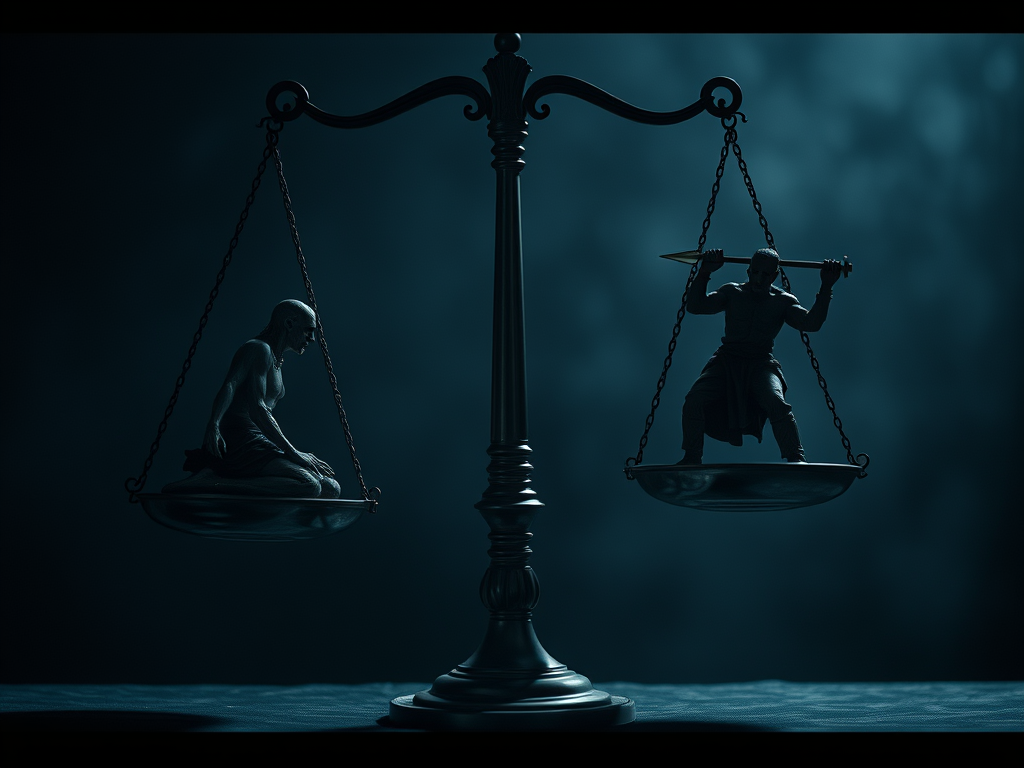
One of the thrills of playing Shadowdark is the contrast between moments of vulnerability and fleeting heroism. When characters are constantly under the shadow of death, small victories become monumental. Recognize and celebrate these moments of success, so players feel the reward of survival. By balancing these brief heroic moments with the possibility of death, you add emotional highs and lows, giving the game a more profound impact.
The Shadowdark Difference
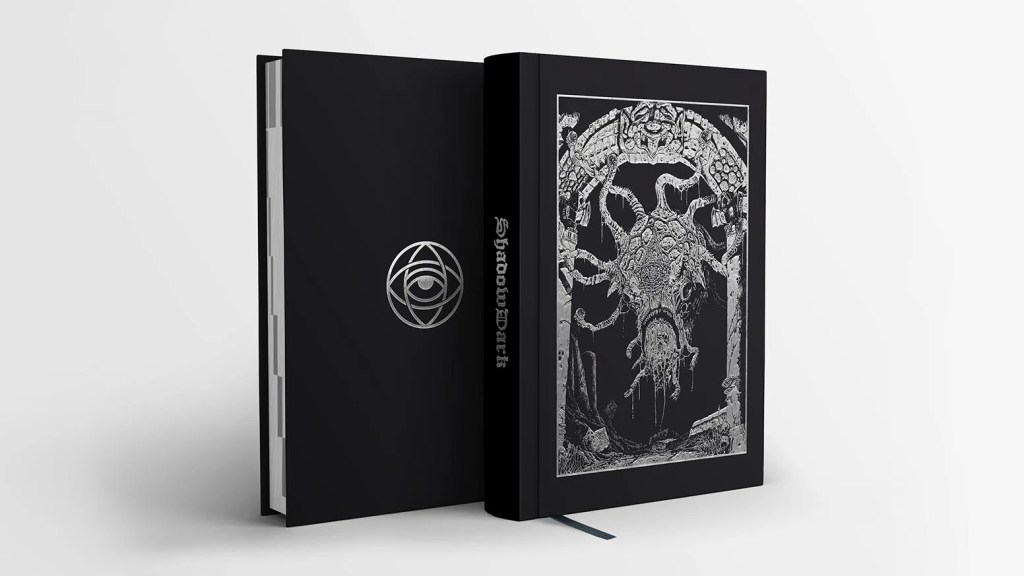
In Shadowdark, survival is never guaranteed, but that’s what makes it thrilling. Death isn’t a punishment; it’s a narrative opportunity. When approached thoughtfully, character deaths add layers of emotion, tension, and meaning to your campaign. So, embrace the risks, remember that every roll counts, and let each death carry the weight it deserves. After all, a world where survival is hard-won makes every victory, every character choice, and even every death feel meaningful.
Keep on gaming!
 tabletop-thoughts.com