
10/18/2024
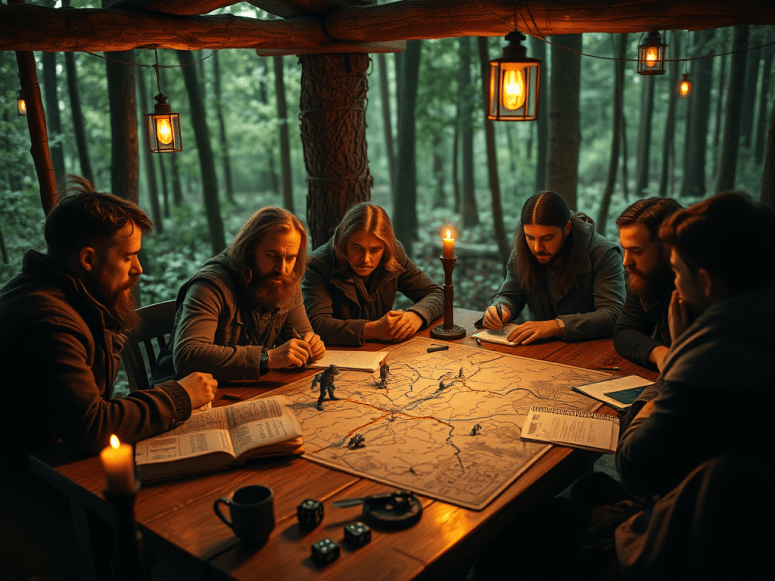
One of the keys to a great tabletop RPG is creating a world that feels alive and dynamic. A useful set of tools for this are rumors, motivations, and in-game calendars. Combining these elements can introduce urgency, uncertainty, and a sense of consequence to the players’ actions. Let’s explore how you can use these techniques to enhance your game, using a scenario of goblins raiding caravans near a local town.
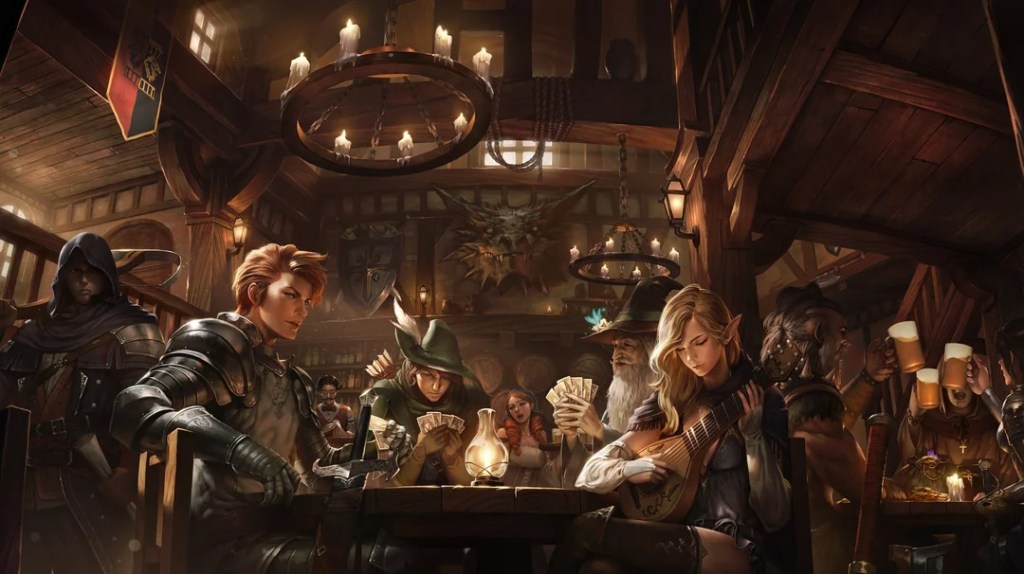
Rumors: Guiding Player Focus
Rumors are a GM’s way of subtly steering the party without railroading them. They plant seeds of information that players can choose to act on—or not. However, in a world where multiple rumors are floating around, players must decide which to prioritize, adding an element of tension as they try to figure out which threats are most immediate.
Example Rumor: “Word is goblins have been ambushing caravans on the road to town. They’re getting bolder, but no one knows how many there are or what they’re planning.”
This rumor draws attention to the growing goblin threat, but it’s not the only thing the players might hear about. Perhaps there’s also talk of bandits setting up camp nearby or strange creatures lurking in the forest. These overlapping rumors create a web of potential quests, forcing the players to weigh their options and decide which issue needs their attention first.
The more you introduce rumors, the more your players must make strategic choices, adding pressure to their decision-making.
Motivations: The Goblins’ Plan
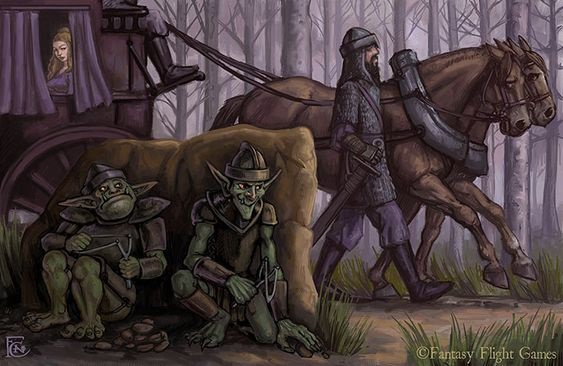
Understanding NPC or monster motivations adds depth to your world. The goblins aren’t just raiding caravans for loot—they have a larger plan, though the players might not realize it immediately.
Goblin Motivation: The goblins are preparing for an attack on the town. By raiding caravans, they’re gathering resources and recruiting more goblins. When their numbers reach 40, they’ll be ready to strike.
The players don’t know exactly how long they have to stop the goblins, but every week that passes without intervention allows the goblins to grow stronger. While the goblins’ motivations remain constant, the challenge for the players is prioritizing their actions. With other threats and rumors in the mix, they must decide if they’ll act now or risk the goblins reaching full strength.

Calendars: The Ticking Clock
In-game calendars are perfect for adding a sense of urgency. Tying the goblins’ progress to a timeline creates a ticking clock that brings tension to the campaign.
Goblin Progression:
- The goblins start with 15 members.
- Every in-game week, the goblins gain 5 more members.
- When the goblins reach 40 members, they will launch an attack on the town.
However, the players don’t know the exact numbers or the timeline. They only have rumors to go on. As the goblins near 30 members, the players might start hearing new whispers.
New Rumor: “There have been sightings of goblins scouting the edges of the town. Something bigger might be in the works.”
This type of rumor can signal that the threat is escalating, but again, the players have other tasks and rumors pulling their attention in different directions. Should they prioritize stopping the goblins, or is that forest creature a more immediate danger? The in-game calendar keeps things moving forward, and the players must manage their time wisely. Every decision has weight.
Multiple Quests: Choosing What to Prioritize
The real tension comes when the players have more than one potential crisis brewing. While the goblins are gathering strength, perhaps a bandit leader is terrorizing outlying villages, or a mysterious sickness spreading in a nearby town. Multiple rumors and quests happening simultaneously create a dynamic world where the players can’t possibly handle everything at once.
For example:
- The goblins gain 5 more members each week, but there’s also a rumor of an ancient artifact being unearthed nearby.
- Players might decide to focus on the artifact quest, hoping they can delay dealing with the goblins.
- But as time ticks on, the goblins continue to grow, and by the time they hear rumors of goblin scouts near the town, it might be too late to stop the larger attack.
This creates what is often referred to as a “ticking clock” scenario. Players must choose which rumors to follow, which threats to deal with immediately, and which they can afford to ignore. The tension comes from not knowing which quest or rumor will have the most devastating consequences if left unattended.
Random Encounters: Slowing the Threat
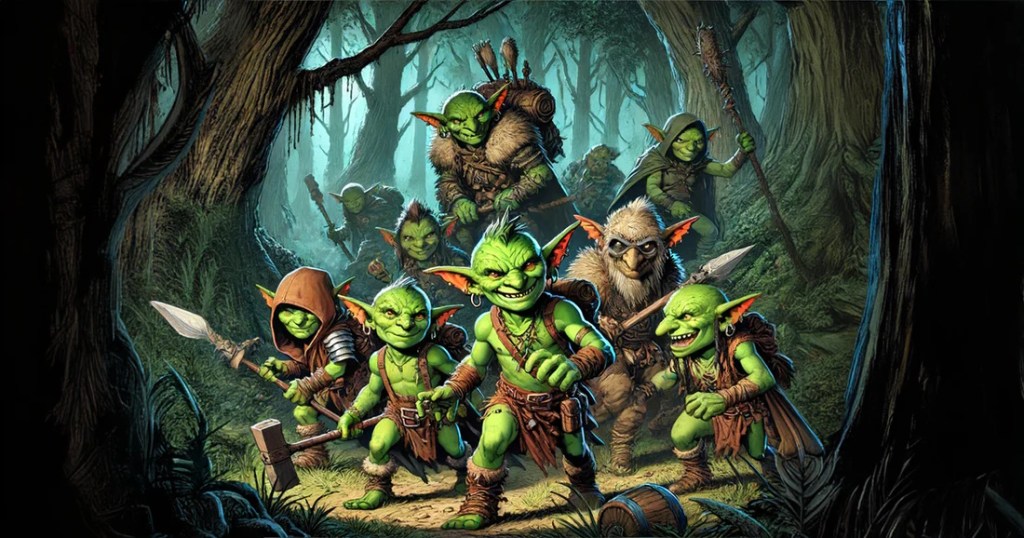
Even if the players can’t focus all their energy on the goblins, they may still slow the threat through random encounters. Defeating goblins along the way reduces their numbers, delaying their eventual attack.
For example:
- After three weeks, the goblin group grows to 30 members.
- The players encounter a raiding party and kill 8 goblins.
- This reduces the goblin group to 22, buying more time before the attack.
However, players don’t know exactly how much time they’ve bought. The constant pressure of the unknown keeps them on edge. Are they making the right choice by splitting their attention between multiple threats, or should they have focused on the goblins earlier?
Conclusion: Building Tension with Multiple Threads
By combining rumors, motivations, and calendars, you create a living world where time passes and decisions matter. The players must decide which rumors to follow and how to prioritize their actions as multiple events unfold simultaneously. Each decision impacts the game, and with the added pressure of not knowing exactly when the goblins (or other threats) will strike, the tension builds session by session.
This approach creates a dynamic experience for your players:
- They hear multiple rumors and must decide which threats to address.
- The goblins, meanwhile, are growing in strength week by week.
- As time passes, new rumors emerge—goblins scouting the town or perhaps another looming threat elsewhere.
- Players must balance their time and resources, knowing that every action (or inaction) brings consequences.
By the time the goblins are ready to attack, the players will feel the weight of their choices—did they buy enough time, or did they spread themselves too thin?
Keep on gaming!
 tabletop-thoughts.com
One thought on “Creating a Dynamic World for RPGs: Rumors and Timelines”