08/14/2024
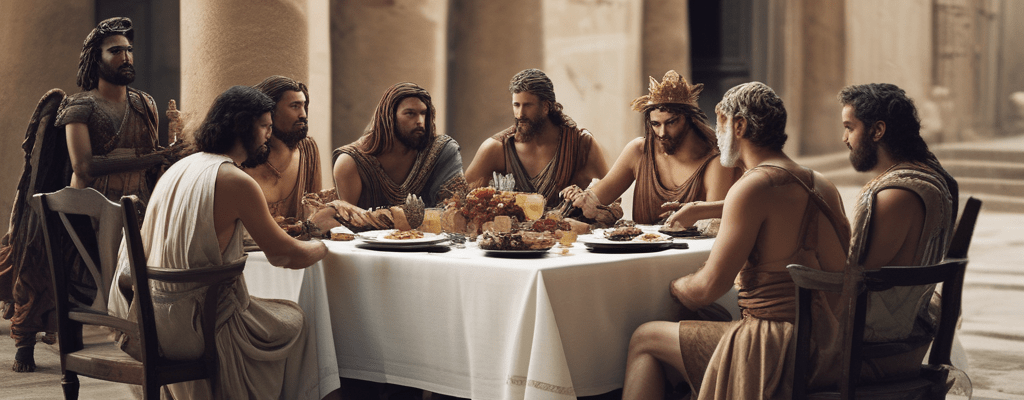
Today we will look at the Gods of Thessaria. Since Thessaria is an analog of Ancient Greece in my campaign world, I used the Greek Gods as the deities. I chose 2 for each alignment and came up with ideas about their temples and customs.
Apollo
NEUTRAL GOD
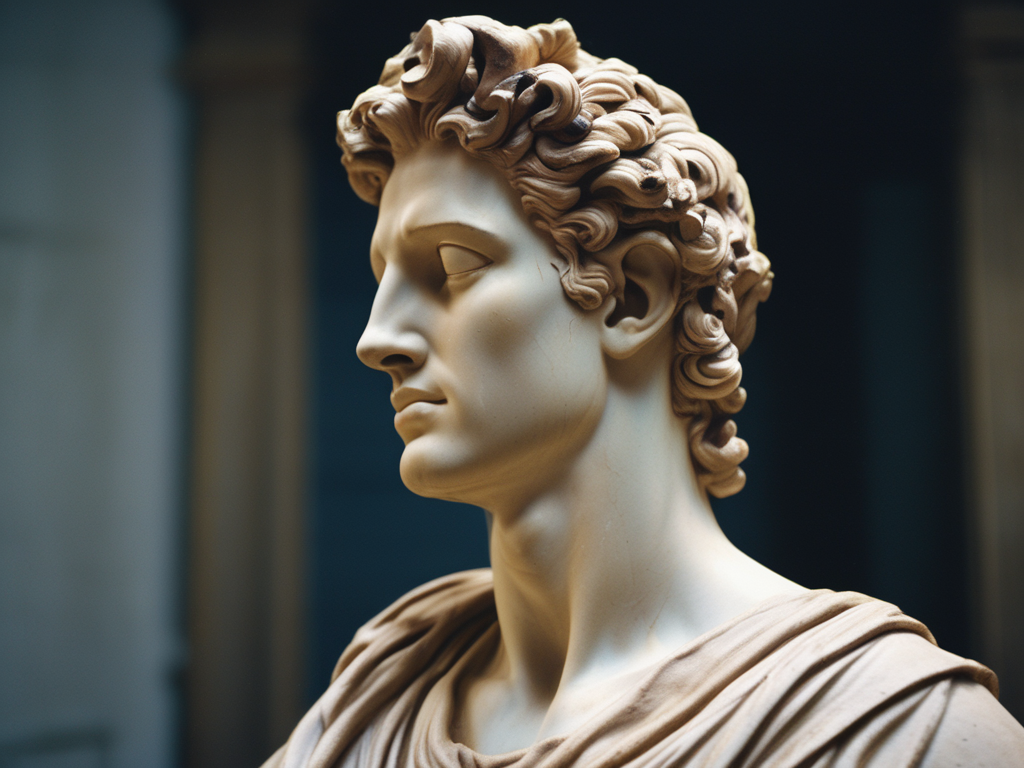
The god of music, poetry, prophecy, and healing. He is known for his dual nature, bringing both destruction and healing. Apollo is neither wholly benevolent nor malevolent.
In the realm of the gods, Apollo’s dual nature is a well-known paradox. As the god of music, poetry, and prophecy, he is often revered as a bringer of inspiration and healing, his lyre strings echoing with the harmonies of the cosmos. Yet, as the god of plague and destruction, he is feared as a bringer of sickness and despair. This ambivalence is reflected in his iconography, where his image often shows him playing his lyre with one hand while holding a bow and arrow in the other. This duality is mirrored in the mortal world, where his followers believe that Apollo’s blessings can be as fleeting as a gentle breeze, but his wrath can be as devastating as a summer storm. As such, those who worship Apollo must walk a fine line between appeasing his benevolent side and acknowledging his destructive power.
The temples of Apollo are found throughout the land, from grand structures in urban centers to humble shrines in small borderland villages. The grandest of these temples are sprawling complexes adorned with intricate marble carvings and gleaming golden statues, their halls echoing with the sweet sounds of music and poetry. In contrast, the temples in rural areas are often simple structures built around ancient trees or natural springs, their walls adorned with offerings of flowers, wine, and incense. These smaller temples are often tended by local clerics who live simple lives, devoted to the daily rituals and devotions that maintain the balance of Apollo’s dual nature.
Clerics dedicated to Apollo follow a complex set of customs and practices that reflect the god’s dual nature. They spend their days tending to the temple grounds, performing rituals to honor both Apollo’s creative and destructive aspects. They are skilled musicians and poets, using their art to channel the god’s inspiration and heal the sick or soothe the troubled minds of those who seek their aid. They also study the art of divination, using Apollo’s prophecies to guide their decisions and those of their patrons. In times of war or famine, they may turn to more aggressive forms of worship, calling upon Apollo’s wrath to smite their enemies or bring fertility to the land. Through it all, they strive to maintain balance and harmony within themselves and in the world around them, ever mindful of the capricious nature of their patron deity.
DM Notes: To include some of the divination to the clerics of Apollo, I might add in some of the spells from the Seer class (Cursed Scroll #3) like Trance and Read the Runes. I might even include the Potion spells since it creates healing potions and Apollo is the healing god.
Ares
CHAOTIC GOD
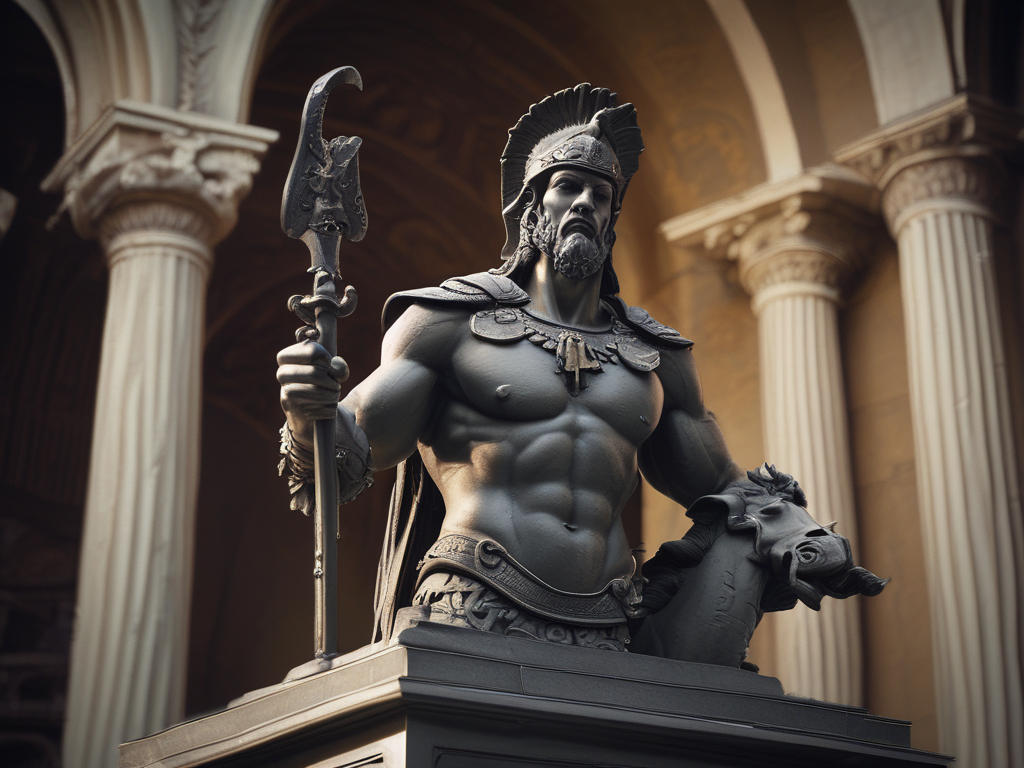
The god of war, violence, and bloodshed. Ares is often depicted as a destructive force, reveling in the chaos and brutality of warfare.
In the pantheon of the gods, Ares reigns supreme as the deity of war, violence, and bloodshed. His very presence seems to draw the winds of conflict and strife as if he delights in the chaos and destruction that follows in his wake. His worship is often shrouded in secrecy, for those who follow him do so out of a twisted sense of loyalty to the destructive power that courses through their veins. Ares is said to delight in the cries of the fallen, and his clerics often claim that he whispers sweet nothings to those who would bring ruin to their enemies.
The temples of Ares can be found in the most unlikely of places, often hidden away in small borderland villages or nestled deep within treacherous mountain ranges. These temples are typically unassuming, with crude stone structures that seem to blend seamlessly into the surrounding landscape. However, those who know where to look will find subtle symbols etched into the walls – cryptic markings that seem to pulse with a malevolent energy. The air around these temples is thick with the stench of smoke and sweat, and the sound of distant clashing steel can often be heard in the wind.
Clerics of Ares operate in secrecy, using coded language and veiled gestures to communicate with one another. They gather under the cover of night, meeting in abandoned buildings or hidden clearings to perform their dark rituals. These ceremonies often involve offerings of blood and steel, as they invoke Ares’ power to fuel their own martial prowess. In private moments, they whisper prayers to their patron deity, seeking guidance on how to unleash the full fury of war upon their enemies. As they do so, they feel Ares’ presence coursing through them, urging them onward toward chaos and destruction.
Athena
LAWFUL GOD
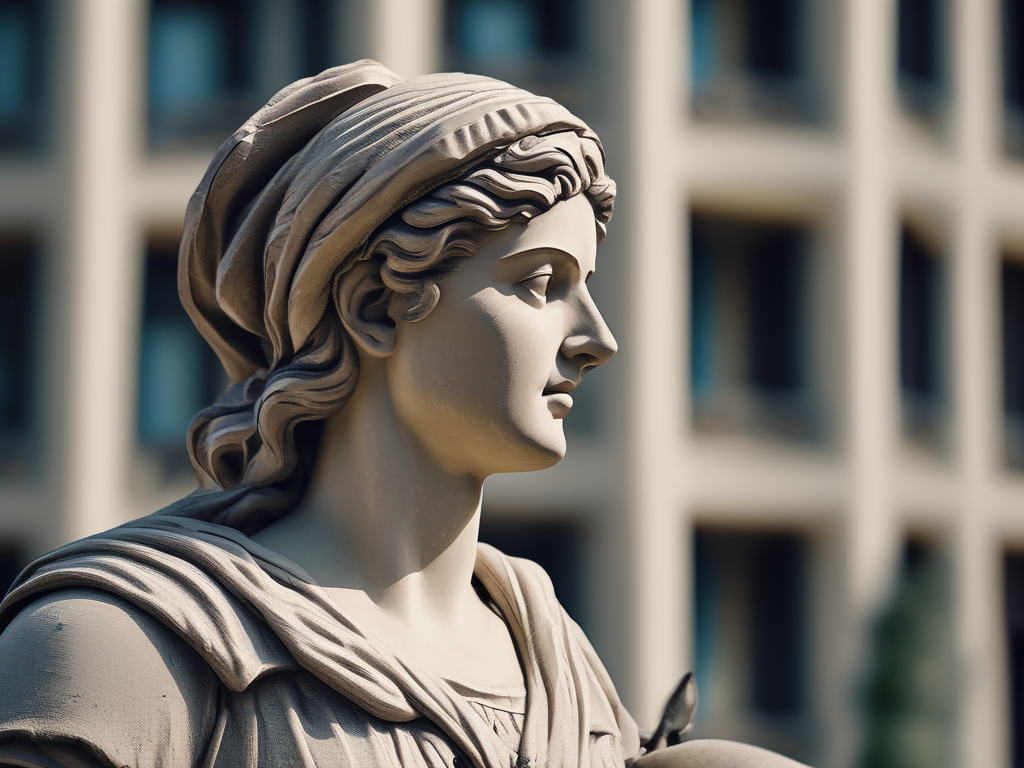
Chief God worshipped in Thessaria
The goddess of wisdom, warfare, and strategy. She embodies the principles of justice and fairness, often associated with strategic planning and disciplined warfare.
In the realm of Thessaria, Athena is revered as the Chief God, worshipped by the people for her unwavering commitment to wisdom, warfare, and justice. Her presence is felt throughout the land, guiding the hands of those who seek to wield her power. As the embodiment of strategy and disciplined warfare, Athena is often called upon by generals and warriors to grant them the clarity of thought and foresight needed to emerge victorious from battle. Her wisdom is said to be infinite, allowing her to unravel even the most complex of problems, and making her a beloved patron among scholars, diplomats, and leaders.
In Thessaria, temples dedicated to Athena can be found in even the smallest of borderland villages. These humble shrines are often simple structures made of rough-hewn stone, adorned with intricate carvings depicting scenes of warfare and strategy. The villagers who tend these shrines are devoted followers of Athena, offering prayers and sacrifices in hopes of gaining her favor. In larger cities, grander temples rise towards the sky, their marble columns and ornate statues a testament to the reverence in which Athena is held. Within these temples, elaborate frescoes depict great battles won and lost, serving as a reminder of Athena’s role as patron of warriors.
Clerics dedicated to Athena live by a strict code of conduct, guided by the principles of justice and fairness. They are sworn to uphold the law, protecting the innocent and vanquishing injustice. These clerics are skilled strategists and warriors, often serving as advisors to kings and queens or leading their own armies into battle. In their daily routine, they spend hours in contemplation and meditation, seeking guidance from Athena’s wisdom. They also conduct regular rituals, offering prayers and sacrifices to maintain their connection with the goddess. On special occasions, they participate in grand ceremonies, reenacting famous battles or honoring the gods and goddesses who have shaped Thessaria’s history.
Hades
CHAOTIC GOD
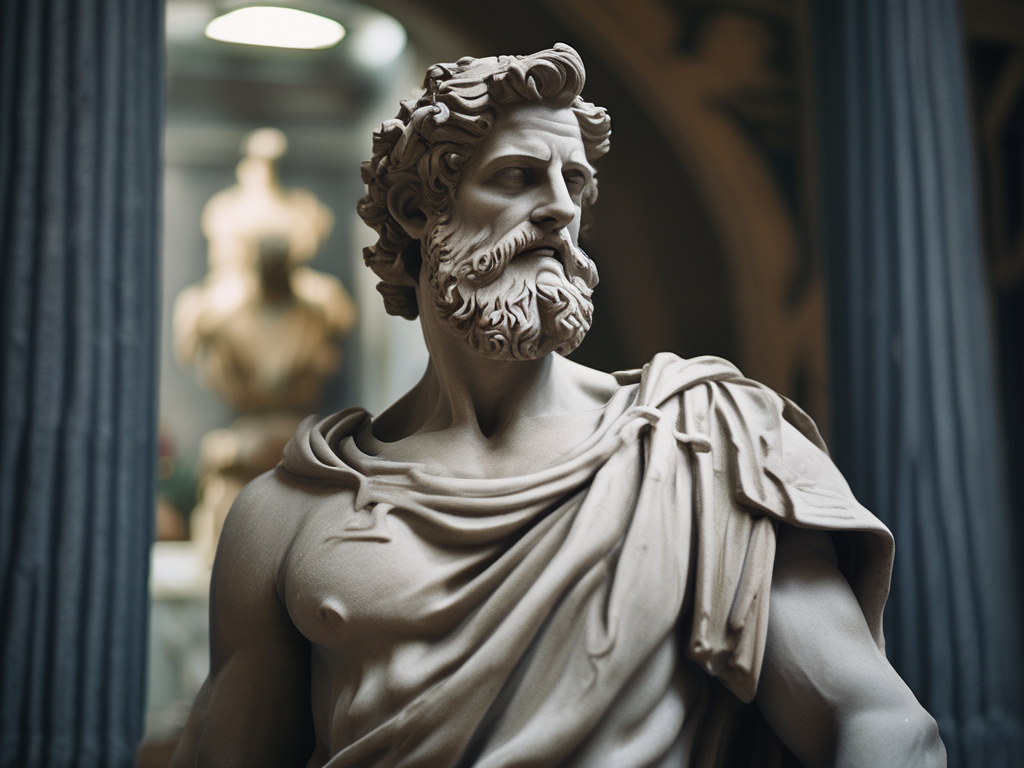
The god of the Underworld and the dead. While not inherently evil, Hades is often portrayed as stern and unyielding, overseeing the realm of the deceased with a strict sense of justice.
Hades, the God of the Underworld, is a figure of stern and unyielding dedication to justice. As the ruler of the realm of the dead, he is tasked with ensuring that the natural balance of life and death is maintained and that those who have passed on are judged accordingly. Though not inherently evil, Hades’ duty requires him to be firm and unforgiving, lest the fabric of the universe become unraveled. His realm is a place of darkness and shadows, where the whispers of the dead echo through eternity. Those who approach his domain with reverence and respect are met with a sense of solemnity and gravitas, while those who seek to cheat or deceive are met with swift and merciless punishment.
The temples of Hades can be found in small borderland villages, where the inhabitants often live in close proximity to the mortal realm and the world of the dead. These humble structures are simple and austere, with stone walls and dark wooden doors adorned with symbols of death’s scythe and the three-headed dog Cerberus. The air around them seems heavy with the scent of incense and myrrh, and the whispers of the dead can be heard faintly on the wind. Within these temples, the faithful gather to pay their respects to Hades, offering sacrifices of grain and oil to ensure a smooth passage into the afterlife. In times of war or great calamity, these temples become beacons of hope, as villagers come to seek guidance from Hades’ clerics in their darkest hour.
Clerics dedicated to Hades follow a strict code of conduct, one that emphasizes duty, discipline, and respect for the natural order. They dress in somber attire, adorned with symbols of death’s scythe and other mortuary emblems. Their rituals are formal and ritualistic, involving intricate chants and offerings to appease Hades’ wrath. They spend much of their time tending to the dead, ensuring that they are properly buried and mourned according to tradition. In times of conflict, they act as mediators between warring factions, using their connection to Hades to broker peace agreements and prevent further bloodshed. Above all, they live by the mantra “Justice is swift, mercy is rare,” reminding themselves that even in death, there is no escape from the consequences of one’s actions.
Hermes
NEUTRAL GOD
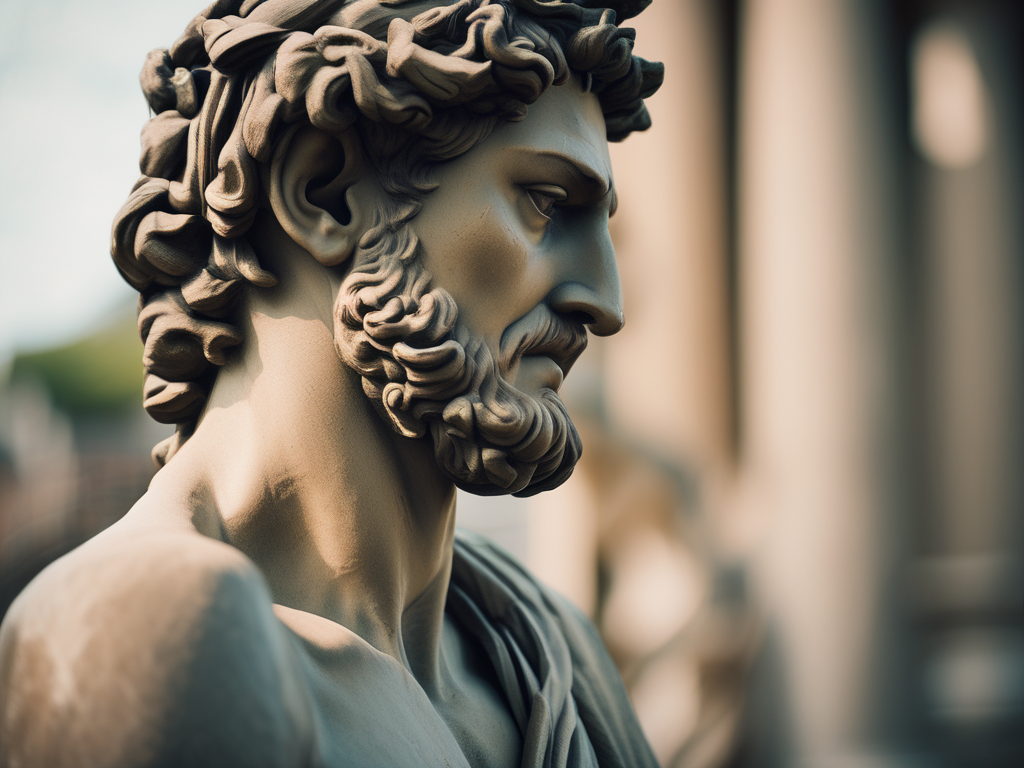
The messenger of the gods, associated with trade, travel, and cunning. Hermes often acts as an intermediary between gods and mortals, embodying a neutral stance in many situations.
In the pantheon of gods, Hermes stands as a master of the messenger’s art, facilitating communication between the divine and mortal realms. As the god of trade, travel, and cunning, he has mastered the art of traversing the labyrinthine paths of fate, navigating the intricate web of alliances and rivalries between gods and mortals. With his trusty caduceus, a staff adorned with intertwined serpents, Hermes whispers secrets to those who seek his counsel, often finding himself caught in the midst of divine intrigue. His neutrality is a double-edged sword, allowing him to act as a broker between warring factions, yet also rendering him suspect in the eyes of those who would seek to exploit his favor.
Temples dedicated to Hermes can be found in small borderland villages, humble structures that seem to sprout from the dusty earth itself. These rustic shrines are often marked by a weathered stone statue of Hermes, its eyes gleaming with a knowing glint. The faithful flock to these temples seeking guidance on trade agreements, safe passage across treacherous landscapes, or clever solutions to the intricate puzzles that life presents. In times of war, these temples serve as neutral sanctuaries, where weary warriors can find temporary refuge and solace.
Clerics dedicated to Hermes are known for their cunning and resourcefulness. They dress in attire adorned with intricate patterns and symbols that reflect their god’s association with commerce and travel. Their daily rituals begin with an offering of ambrosial wine and honeyed cakes, which they consume while contemplating the threads of fate that weave together the tapestry of human destiny. They spend their days traveling the land, mediating disputes between rival merchant guilds, and negotiating treaties between warring nations. At night, they gather around flickering candles to recite hymns that speak of Hermes’ many guises: as trickster, as guide, and as guardian of the hidden paths that only he knows. In times of great need, these clerics may call upon Hermes’ favor, channeling his power to manipulate the currents of fate and guide their companions toward fortune and success.
Zeus
LAWFUL GOD
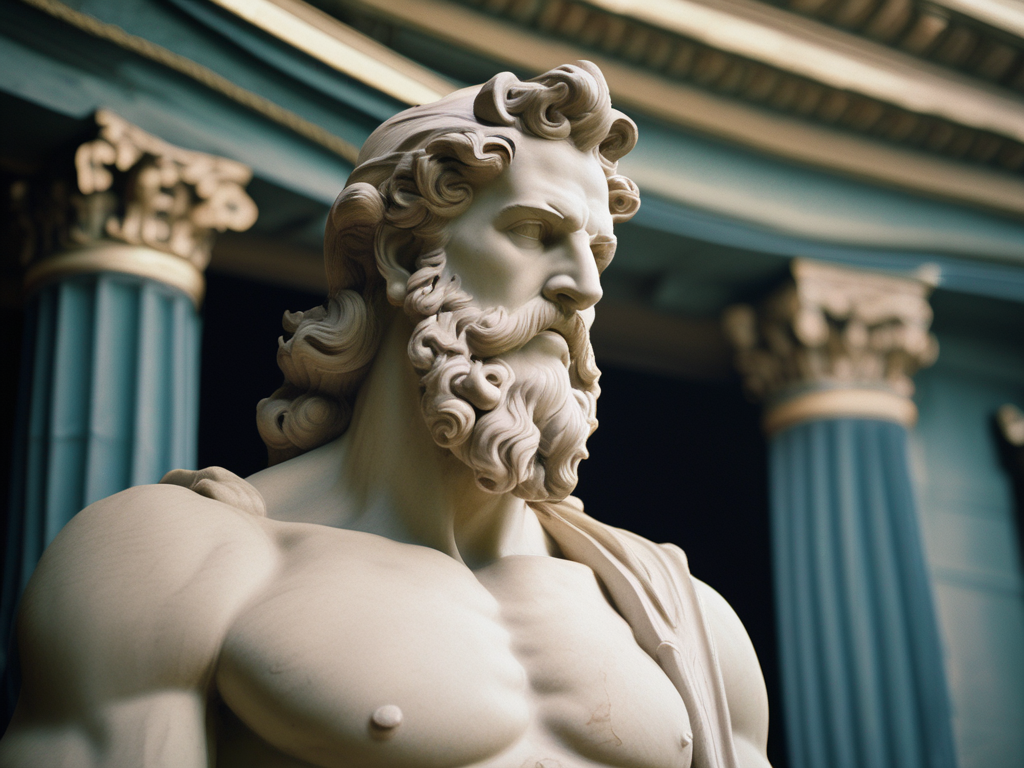
The king of the gods, ruler of Mount Olympus, and the god of the sky and thunder. While he can be strict and authoritative, his primary role is maintaining order among the gods.
Zeus, the King of the Gods, sits upon his throne of clouds atop Mount Olympus, his eyes ever-watchful and his voice like thunder. As the ruler of the skies and god of the heavens, he maintains the delicate balance of power among the gods, ensuring that no single deity or demigod grows too powerful. He is a strict and authoritative presence, but beneath his stern exterior lies a just and fair heart. Zeus is said to wield the mighty lightning bolt, an instrument of justice and correction, and his wrath is feared by all who dwell in the mortal realm. Despite his fearsome reputation, however, Zeus is a benevolent ruler, guiding his divine children and mortals alike with wisdom and guidance.
In small borderland villages and rural towns, the temples of Zeus are humble but proud structures, often adorned with images of the king of the gods in his various guises: as a mighty warrior, a wise judge, or a benevolent father. These temples serve as beacons of hope and protection for the villagers, who come to offer prayers and sacrifices to ensure the continued favor of Zeus. In larger cities, the temples of Zeus are grander affairs, with imposing columns and gleaming bronze statues that seem to reach for the heavens themselves. At these great temples, clerics of Zeus gather to perform elaborate rituals and ceremonies, honoring their patron deity with music, dance, and offerings of grain and wine.
Clerics dedicated to Zeus are sworn to uphold the principles of justice and fairness that their patron deity embodies. They are tasked with maintaining order in their communities, mediating disputes, and resolving conflicts through wisdom and compassion. In times of turmoil or crisis, they are called upon to channel the power of Zeus himself, summoning his wrath or benevolence as needed to restore balance and harmony. These clerics wear simple white robes with a blue sash at their waist, symbolizing their connection to the sky and their role as guardians of justice. They are often called upon to offer counsel to kings and nobles, guiding them in their decisions and actions with the wisdom of Zeus.
Keep on gaming!
 tabletop-thoughts.com